
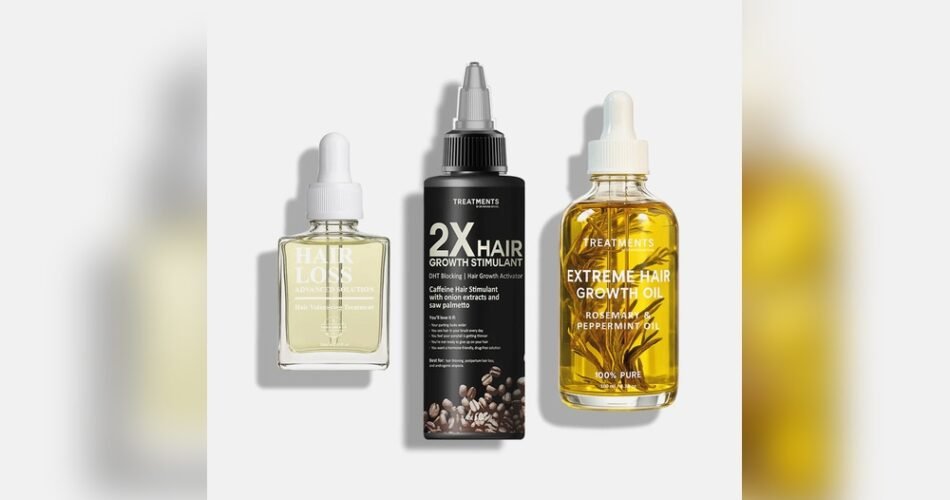
Are you struggling with postpartum hair loss and wondering which product can really help—oils or serums? You’re not alone.
After having a baby, your hair can feel thinner and weaker, and finding the right solution can be confusing. Choosing between oils and serums matters because each works differently on your hair and scalp. You’ll discover how these products affect your hair, which one suits your needs best, and how to use them for faster, healthier hair regrowth.
Keep reading to take control of your postpartum hair care and bring back your confidence.
:max_bytes(150000):strip_icc()/hlt-kerastase-serum-extentioniste-scalp-and-hair-serum-apply-updated-tout-d168079e278b413fb696cb62c67253b9.jpg)
Credit: www.health.com
Causes Of Postpartum Hair Loss
Postpartum hair loss affects many new mothers after childbirth. This condition causes noticeable hair thinning. Understanding the main causes helps in managing it better. Several factors contribute to this temporary hair loss. These factors disrupt the normal hair growth cycle. Knowing them can guide the choice between oils and serums for treatment.
Hormonal Changes
After giving birth, hormone levels drop quickly. Estrogen, which supports hair growth, decreases sharply. This sudden change pushes hair follicles into a resting phase. Hair strands shed more than usual. This process is natural but can be alarming.
Nutritional Deficiencies
Pregnancy and breastfeeding increase nutritional needs. Lack of vitamins like iron, zinc, and biotin affects hair health. Poor nutrition weakens hair strands. This makes hair more prone to falling out. Balanced diet and supplements can help reduce loss.
Stress And Fatigue
New mothers face physical and emotional stress. Sleep deprivation adds to overall fatigue. Stress triggers hormone imbalances that harm hair growth. Tiredness slows down the body’s repair process. These factors together contribute to hair loss after childbirth.
How Oils Help Hair Loss
Oils have long been used to care for hair, especially after childbirth. They provide essential nutrients to help reduce postpartum hair loss. These natural oils support the scalp and hair in many ways. They keep hair healthy and help new strands grow stronger. Understanding how oils work can help you choose the best one for your hair.
Nourishing Scalp
Oils deeply nourish the scalp by adding moisture and nutrients. A healthy scalp prevents dryness and itching, which often cause hair to fall. Oils create a protective layer that locks in moisture. This keeps the scalp balanced and less prone to flakiness. A well-nourished scalp is the base for strong hair growth.
Strengthening Hair Follicles
Hair follicles need nutrients to stay strong and healthy. Oils provide vitamins and minerals that strengthen these tiny roots. Strong follicles hold hair firmly, reducing hair fall. Massaging oils into the scalp improves blood flow. This helps follicles get more oxygen and nutrients, which boosts their strength.
Promoting Hair Growth
Oils stimulate the scalp, encouraging hair growth. Some oils contain ingredients that speed up the growth cycle. They reduce inflammation and clear blocked follicles. Healthy follicles grow hair faster and thicker. Regular oiling supports new hair strands and improves overall hair density.
How Serums Work For Hair
Serums are popular for hair care, especially after childbirth. They help improve hair health and manage hair loss. Serums work by adding nutrients and moisture directly to the hair and scalp. They are easy to apply and absorb quickly. Many new mothers find serums gentle and effective for fragile postpartum hair.
Targeted Nutrient Delivery
Serums contain vitamins and oils that feed hair roots. These nutrients support hair growth and repair. They reach deep into the scalp to nourish hair follicles. This helps reduce hair fall and strengthens strands. Targeted delivery means the active ingredients work where hair needs them most.
Lightweight Formulation
Serums have a thin, light texture that does not weigh hair down. They do not leave a greasy or heavy feeling. This makes serums perfect for daily use on fine or thin hair. Lightweight serums allow hair to stay soft and bouncy.
Enhancing Hair Texture
Serums smooth hair cuticles and reduce frizz. They add shine and make hair easier to comb. This improves hair’s overall look and feel. Better texture helps hair appear fuller and healthier after postpartum loss.

Credit: www.amazon.ae
Key Ingredients In Oils
Oils used for postpartum hair loss contain natural ingredients. These ingredients help nourish and strengthen hair. They also soothe the scalp and reduce hair fall. Each oil has unique properties that support hair health. Understanding these key ingredients can guide better choices for hair care.
Coconut Oil
Coconut oil is rich in fatty acids. These acids penetrate deep into the hair shaft. They help reduce protein loss and add moisture. Coconut oil also has antifungal properties. This can keep the scalp clean and healthy. It is lightweight and easy to apply.
Castor Oil
Castor oil is thick and packed with nutrients. It contains ricinoleic acid, which improves scalp circulation. Better circulation means healthier hair growth. Castor oil also acts as a natural conditioner. It can make hair appear fuller and shinier. Use it sparingly due to its thick texture.
Argan Oil
Argan oil is rich in vitamin E and antioxidants. These help repair damaged hair and prevent breakage. It smooths the hair cuticle and adds shine. Argan oil also reduces frizz and dryness. It absorbs quickly without leaving a greasy feel.
Key Ingredients In Serums
Serums for postpartum hair loss contain special ingredients that help strengthen hair. These ingredients work deep in the scalp to support hair growth and reduce shedding. Understanding these key ingredients helps choose the right serum for healthier hair.
Biotin
Biotin is a vitamin that supports hair health. It helps produce keratin, the protein in hair strands. Biotin improves hair strength and reduces breakage. Many serums include biotin to nourish weak, thinning hair.
Keratin
Keratin is a natural protein that forms the hair structure. Serums with keratin smooth hair and repair damage. They fill gaps in hair strands, making hair stronger and shinier. Keratin helps restore hair lost after pregnancy.
Peptides
Peptides are small chains of amino acids. They help stimulate hair follicles to grow new hair. Peptides also improve scalp health by reducing inflammation. Serums with peptides boost hair thickness and reduce hair fall.
Application Methods
Applying postpartum hair loss oils and serums correctly helps improve their effects. Each product type has a unique way to use it. Knowing the right method makes a big difference in hair health and growth.
Oils: Massage And Overnight Treatment
Oils work best with a gentle scalp massage. Take a small amount and rub it between your palms. Apply the oil directly to your scalp with fingertips. Massage in small circular motions to boost blood flow.
Overnight treatment gives oils more time to soak in. Apply oil before bed and cover your hair with a shower cap. This keeps the oil from staining pillows. Wash hair thoroughly in the morning to remove excess oil.
Serums: Daily Use And Styling
Serums are lightweight and absorb quickly. Use a few drops daily on clean, damp hair. Focus on areas with thinning or shedding. Gently smooth the serum from roots to tips.
Serums also work well with styling. Apply before blow-drying or air-drying to protect hair. They add shine and reduce frizz without weighing hair down.
Benefits Comparison
Choosing between postpartum hair loss oils and serums can be confusing. Both offer benefits but work differently. Comparing these benefits helps to pick the right product for your hair needs. Understanding how each affects your hair can improve your postpartum hair care routine.
Effectiveness
Oils nourish the scalp deeply. They help reduce dryness and promote hair growth. Oils also strengthen hair strands and prevent breakage. Serums work mainly on the hair surface. They smooth hair and reduce frizz. Serums can protect hair from environmental damage. Both help with hair loss but in different ways. Oils improve scalp health, and serums improve hair texture.
Ease Of Use
Oils can feel heavy and take time to absorb. They need washing out after use. This might be less convenient for busy moms. Serums are lightweight and absorb quickly. They do not require rinsing. Serums fit better into fast daily routines. Oils may need more effort but offer deep care. Serums provide quick styling benefits.
Safety And Sensitivity
Oils are natural and often gentle on the scalp. Some oils might cause irritation for sensitive skin. Testing a small area first is wise. Serums contain active ingredients that may cause reactions. Always check the label for allergens. Both products should be chosen carefully. Look for formulas made for sensitive scalps. Avoid harsh chemicals to protect delicate postpartum skin.
Potential Drawbacks
Choosing the right product for postpartum hair loss is important. Both oils and serums have their benefits, but they also come with potential drawbacks. Understanding these can help in making a better choice for your hair care routine.
Oils: Greasiness And Build-up
Oils can make hair feel heavy and greasy. This greasiness may cause discomfort and a lack of freshness. Oils can also lead to build-up on the scalp. This build-up can clog hair follicles and slow down hair growth. Regular washing is needed to avoid these issues. Using too much oil can worsen these problems.
Serums: Chemical Sensitivity
Serums often contain chemicals and synthetic ingredients. Some people may have sensitive skin or allergies to these substances. This can cause itching, redness, or irritation on the scalp. It is important to check the ingredients before use. A patch test can help avoid allergic reactions. Not all serums are safe for every scalp type.
Choosing What Suits You
Choosing the right postpartum hair loss product matters. Oils and serums work differently on hair. Understanding your needs helps pick the best option. Consider your hair type, lifestyle, and budget for the best match.
Hair Type Considerations
Oils suit dry and thick hair well. They add moisture and shine. Serums work best for fine or oily hair. They provide light care without heaviness. Know your hair texture before choosing.
Lifestyle And Preferences
Oils need time to absorb and may feel greasy. They fit those who enjoy longer care routines. Serums dry quickly and are easy to use. Perfect for busy days or quick fixes.
Budget Factors
Oils often cost less and last longer. Serums can be pricier but use less product. Decide how much to spend on hair care. Find a product that gives good value.
Tips For Best Results
Using postpartum hair loss oils or serums can help improve hair health. To see the best results, follow some simple tips. These tips support hair growth and reduce hair fall effectively.
Consistent Routine
Apply oils or serums regularly. Consistency is key for better absorption and results. Use them as directed, usually daily or several times a week. Avoid skipping applications to keep your scalp nourished.
Healthy Diet
Eat foods rich in vitamins and minerals. Protein, iron, and vitamins A, C, and E help hair grow strong. Drink plenty of water to keep your scalp hydrated. A healthy diet supports the effects of topical treatments.
Consulting Professionals
Talk to a doctor or dermatologist before starting new products. They can suggest the best options for your hair type and condition. Professional advice helps avoid side effects and ensures safe use.

Credit: www.amazon.com
Frequently Asked Questions
What Causes Postpartum Hair Loss And How To Treat It?
Postpartum hair loss occurs due to hormonal changes after childbirth. It is temporary and usually resolves in months. Using oils or serums can nourish the scalp and strengthen hair, promoting regrowth and reducing breakage during this phase.
Are Oils Or Serums Better For Postpartum Hair Loss?
Oils deeply nourish and hydrate the scalp, while serums focus on strengthening hair strands. Oils suit dry scalps; serums are ideal for fine or oily hair. Combining both can provide balanced care for postpartum hair loss.
How Often Should I Apply Oils Or Serums Postpartum?
For best results, apply oils 2-3 times weekly to moisturize and stimulate the scalp. Serums can be used daily to protect and strengthen hair. Consistency is key to managing postpartum hair loss effectively.
Can Postpartum Hair Loss Oils Or Serums Cause Side Effects?
Natural oils and serums are generally safe but may cause irritation in sensitive skin. Always do a patch test before full use. Choose products with gentle, natural ingredients to minimize risk of side effects.
Conclusion
Postpartum hair loss can feel tough and discouraging. Oils and serums both help soothe and nourish your scalp. Oils often provide deep moisture and strengthen hair roots. Serums usually offer light protection and shine without heaviness. Choosing the right product depends on your hair type and needs.
Consistent care and gentle handling matter most. Give your hair time to recover naturally. Stay patient and kind to yourself during this phase. Healthy hair will return with proper care and attention.