
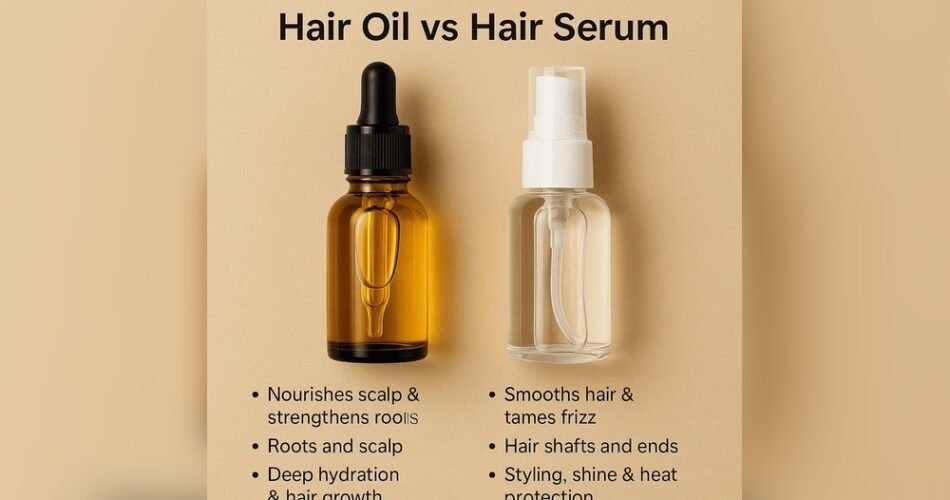
Are you struggling to find the best way to boost your hair growth? You might be wondering whether a hair growth serum or oil is right for you.
Both promise stronger, thicker hair, but which one actually delivers the results you want? Choosing the wrong product could waste your time and money—or worse, harm your hair. Keep reading to discover the key differences between serums and oils, so you can make the smart choice for your hair’s health and see real progress.
Your hair deserves the best care, and this guide will help you give it exactly that.

Credit: lelys.in
Hair Growth Serum Benefits
Hair growth serums offer many benefits for those seeking thicker, healthier hair. These serums nourish hair roots and improve scalp condition. They often work faster than oils and feel lighter on hair. Many people prefer serums for daily use because they absorb quickly and do not leave a greasy residue.
Serums can also protect hair from damage caused by heat and pollution. They help reduce hair fall and support new hair growth. Using a serum regularly can lead to stronger, shinier hair over time.
Key Ingredients In Serums
Hair growth serums contain special ingredients that feed hair follicles. Common ingredients include biotin, caffeine, and peptides. These help stimulate hair growth and strengthen strands. Vitamins like B5 and E improve scalp health and moisture. Natural extracts such as aloe vera and green tea calm irritation and reduce dandruff.
How Serums Stimulate Growth
Serums reach deep into the scalp to nourish hair roots. They improve blood flow, bringing oxygen and nutrients to follicles. This encourages new hair to grow. Some serums block hormones that cause hair loss. Others protect follicles from damage and stress. The result is thicker hair and less shedding.
Application Techniques
Apply serum directly to the scalp for best results. Use fingertips to gently massage it in small circles. This boosts blood circulation and helps serum absorb well. Avoid applying serum to hair ends as it can cause buildup. Use the serum daily or as the instructions suggest. Consistency is key for visible hair growth benefits.
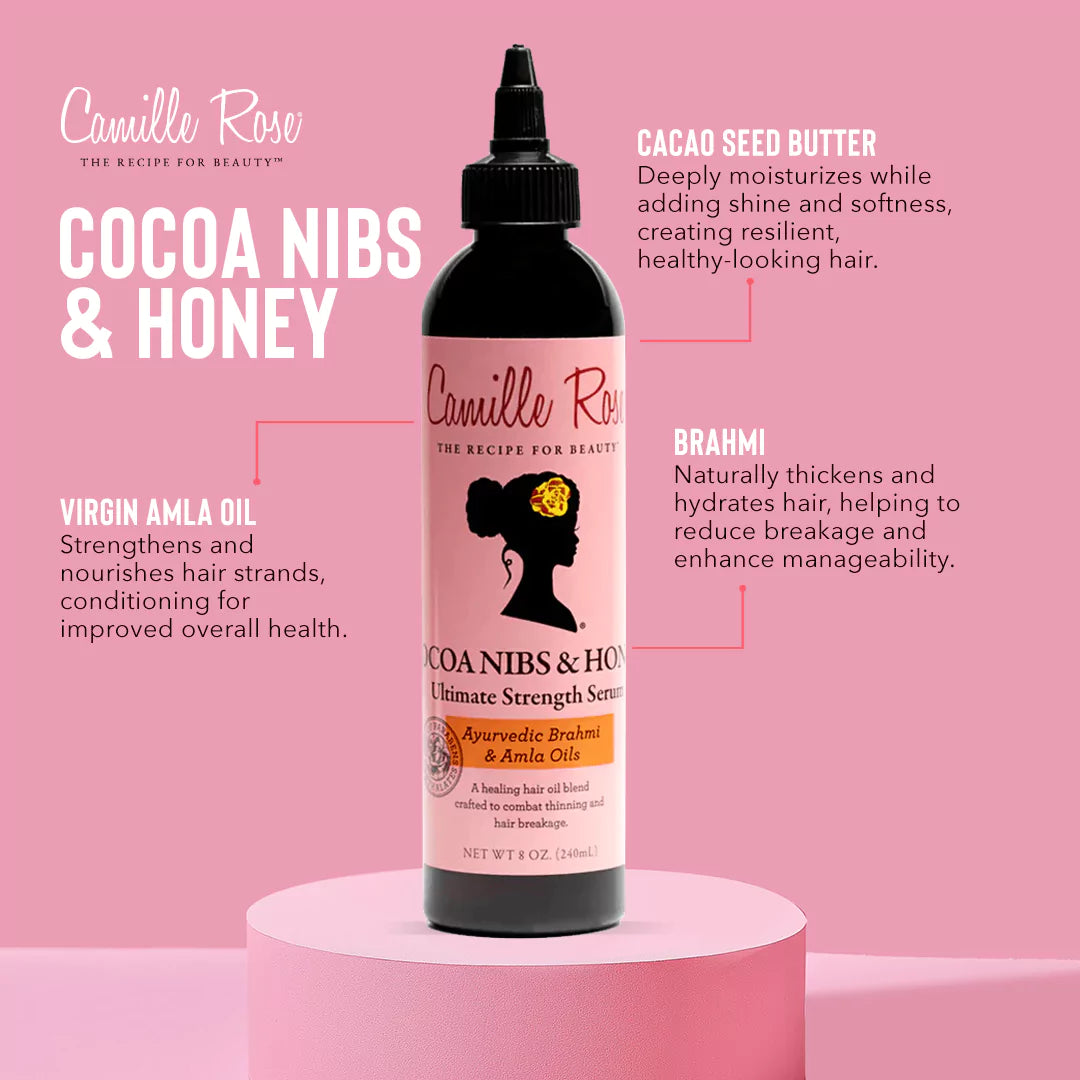
Credit: www.camillerose.com
Hair Oil Advantages
Hair oils have been used for centuries to support hair health. They offer natural nourishment that serums may lack. Oils can improve scalp condition and strengthen hair strands. Many people prefer oils for their deep moisturizing effects. Oils also help reduce hair breakage and add shine.
Using hair oil regularly can create a healthy environment for hair growth. Oils protect hair from damage caused by heat and pollution. They also soothe dry, itchy scalp and reduce dandruff. This makes hair oils a popular choice in hair care routines worldwide.
Nourishing Properties Of Oils
Hair oils contain vitamins and fatty acids that feed hair roots. These nutrients support hair strength and elasticity. Oils also lock in moisture, keeping hair soft and smooth. They improve blood circulation in the scalp, which helps hair grow. Many oils have antioxidants that protect hair from damage.
Common Oils For Hair Growth
Coconut oil is famous for its deep conditioning and anti-fungal properties. Argan oil nourishes hair and adds shine without feeling greasy. Castor oil promotes thicker hair by stimulating scalp circulation. Jojoba oil mimics natural scalp oils and balances oil production. Olive oil strengthens hair and reduces split ends.
Best Practices For Using Oils
Apply oil to the scalp and gently massage for several minutes. Leave oil on hair for at least 30 minutes or overnight for best results. Use warm oil for better absorption. Avoid applying too much oil to prevent a greasy look. Wash hair with a mild shampoo to remove excess oil.
Comparing Effectiveness
Choosing between hair growth serum and oil can be tricky. Both aim to improve hair health and growth, but their effectiveness differs. Understanding their speed, suitability, and long-term impact helps make a better choice. Let’s explore how they compare.
Speed Of Results
Hair growth serums often work faster than oils. They contain concentrated ingredients that target hair follicles directly. Users may notice improvements within weeks. Oils, on the other hand, nourish the scalp and hair slowly. Results from oils usually take longer to appear, often several months. The quicker effect of serums suits those wanting fast changes.
Suitability For Different Hair Types
Serums generally fit all hair types. Their lightweight formulas do not weigh hair down. Oily or fine hair benefits from serums more. Oils work well for dry, thick, or curly hair. They add moisture and reduce frizz. Using the wrong product for your hair type might cause buildup or greasiness.
Long-term Impact
Oils provide long-lasting nourishment to hair and scalp. Regular use improves hair texture and strength over time. Serums support hair growth but may not deeply condition hair. Combining both can offer balanced care. Oils build a healthy base, while serums stimulate growth effectively.

Credit: cittaworld.com
Potential Side Effects
Both hair growth serums and oils can help improve hair health. But they may cause side effects for some people. Knowing these effects helps you pick the right product.
Serums often contain active ingredients that may irritate the scalp. Oils, being thicker, can cause other issues. Understanding these risks keeps your hair safe and healthy.
Allergic Reactions
Some ingredients in serums or oils can cause allergies. Symptoms include redness, itching, or swelling. Always test a small skin patch first. Stop use if irritation appears.
Scalp Sensitivity
Serums may cause scalp dryness or tingling. Oils might make the scalp feel greasy or heavy. Sensitive skin needs gentle products. Choose formulas made for delicate scalps.
Product Build-up Issues
Oils can leave a sticky residue on hair. This build-up blocks hair follicles and slows growth. Serums usually absorb faster but can still build up. Regular washing helps prevent this problem.
Choosing The Right Product
Choosing the right product between a hair growth serum and oil depends on many factors. Your daily routine, budget, and hair goals play a big role. Picking the correct option helps you see better results faster.
Lifestyle Considerations
Think about how much time you spend on hair care daily. Serums usually absorb quickly and need less rinsing. Oils often require more time for application and washing. Also, consider your scalp type and any allergies. Some oils can feel heavy on oily scalps. Serums may suit active lifestyles better.
Budget Factors
Serums tend to cost more than oils. Oils often come in larger bottles and last longer. Choose a product that fits your budget for regular use. Consistent use matters more than the price. Avoid buying expensive products you cannot use often.
Personal Hair Goals
Know what you want from your hair care. Serums are great for fast absorption and scalp stimulation. Oils nourish the hair and add shine. For dry or damaged hair, oils can provide deep moisture. For thinning hair, serums might help boost growth better. Match the product with your specific hair needs.
Frequently Asked Questions
What Is The Difference Between Hair Serum And Oil?
Hair serum is lightweight and smooths hair, while oil nourishes and strengthens. Serums protect hair from heat and frizz. Oils deeply moisturize and promote scalp health. Both aid hair growth but serve distinct purposes in hair care routines.
Which Is Better For Hair Growth: Serum Or Oil?
Both serum and oil support hair growth differently. Oils nourish follicles and scalp deeply. Serums improve hair texture and reduce breakage. For best results, combine oils for nourishment with serums for protection and shine.
How Often Should I Use Hair Growth Serum Or Oil?
Use hair serum daily or after washing to protect hair. Apply oil 2-3 times weekly to nourish scalp and roots. Consistency is key for both to stimulate healthy hair growth and maintain hair strength.
Can Hair Serum Replace Oil In Hair Care?
Hair serum cannot fully replace oil as it lacks deep nourishment. Serum mainly protects and smooths hair strands. Oils provide essential nutrients and moisturize scalp. Use both to maximize hair health and growth benefits.
Conclusion
Choosing between hair growth serum and oil depends on your hair needs. Serums usually work fast and feel light. Oils often nourish deeply and suit dry hair. Both can help hair grow stronger and healthier. Try each to see which fits your routine best.
Consistency matters most for good results. Healthy hair care is simple with the right product. Trust your scalp and hair type to guide you.