
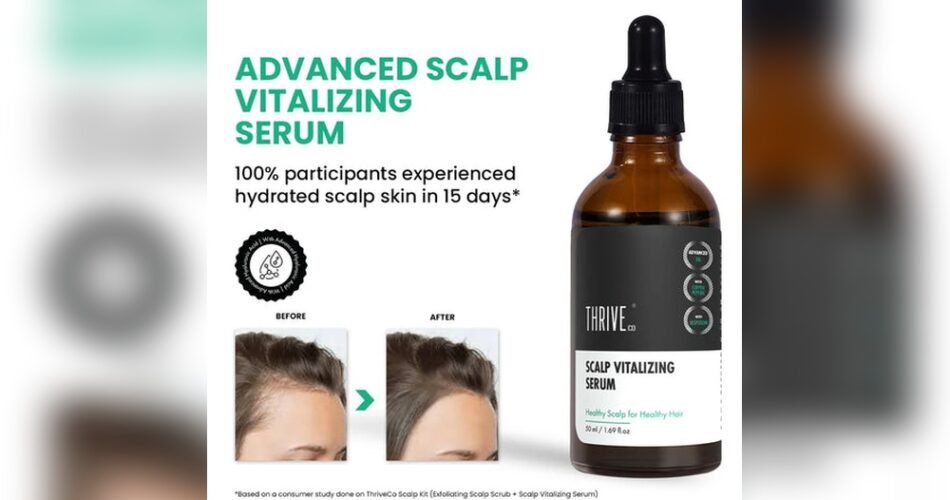
Are you confused about whether to use a scalp serum or a hair serum? You’re not alone.
Both promise healthier hair, but they work in very different ways. Choosing the right one can make a big difference in how your hair looks and feels. Keep reading to discover which serum suits your needs best and how it can transform your hair care routine.
Your hair deserves the best, and this guide will help you find it.

Credit: lelys.in
Differences Between Scalp Serum And Hair Serum
Scalp serum and hair serum serve different roles in hair care. Both improve hair health but focus on distinct needs. Understanding their differences helps in choosing the right product for your hair.
Formulation And Ingredients
Scalp serums often contain ingredients like tea tree oil, salicylic acid, and niacinamide. These help soothe the scalp and reduce dandruff or irritation. Hair serums usually include silicones, oils, and vitamins. These ingredients smooth hair strands and add shine.
Targeted Areas
Scalp serum targets the skin on your head. It nourishes hair roots and improves scalp health. Hair serum focuses on the hair strands, especially the ends. It protects against frizz and damage caused by heat or pollution.
Purpose And Benefits
Scalp serum aims to create a healthy base for hair growth. It can reduce itching, dryness, and flakiness. Hair serum makes hair look smooth, shiny, and manageable. It also helps in controlling flyaways and split ends.
Credit: hastehair.com
How Scalp Serums Work
Scalp serums are special treatments designed to improve scalp health. They work by delivering active ingredients directly to the scalp. This helps create a better environment for hair to grow and stay strong. Unlike regular hair serums, scalp serums focus on the skin beneath the hair, not just the strands.
Nourishing The Scalp
Scalp serums contain vitamins and oils that feed the scalp. These nutrients help keep the scalp soft and hydrated. A well-nourished scalp prevents dryness and flakiness. It also supports the natural balance of oils, which is key for healthy hair growth.
Stimulating Hair Growth
Many scalp serums have ingredients that boost blood flow. Better circulation brings more oxygen and nutrients to hair roots. This can speed up the hair growth process. Some serums also include ingredients that strengthen hair follicles, making hair less likely to fall out.
Reducing Scalp Issues
Scalp serums can calm irritation and reduce redness. They often contain anti-inflammatory and antifungal agents. This helps fight dandruff and other scalp problems. A clean, healthy scalp is less prone to issues that harm hair growth.
How Hair Serums Work
Hair serums are lightweight liquids designed to improve hair’s look and feel. They coat hair strands with a thin layer of oil or silicone. This helps manage frizz, adds shine, and protects hair. Understanding how hair serums work can help you choose the right product.
Smoothing Hair Strands
Hair serums smooth the outer layer of hair strands. They fill gaps in the hair cuticle, making hair feel soft. This reduces frizz and flyaways. The result is sleek, manageable hair that looks neat.
Adding Shine And Softness
The oils in hair serums reflect light, creating shine. They also soften hair by adding moisture. Hair feels silky and looks healthier. This shine lasts for hours after application.
Protecting Against Damage
Hair serums form a protective barrier on hair. This barrier guards against heat from styling tools. It also shields hair from pollution and dryness. The serum helps keep hair strong and less prone to breakage.
Choosing The Right Serum For Your Needs
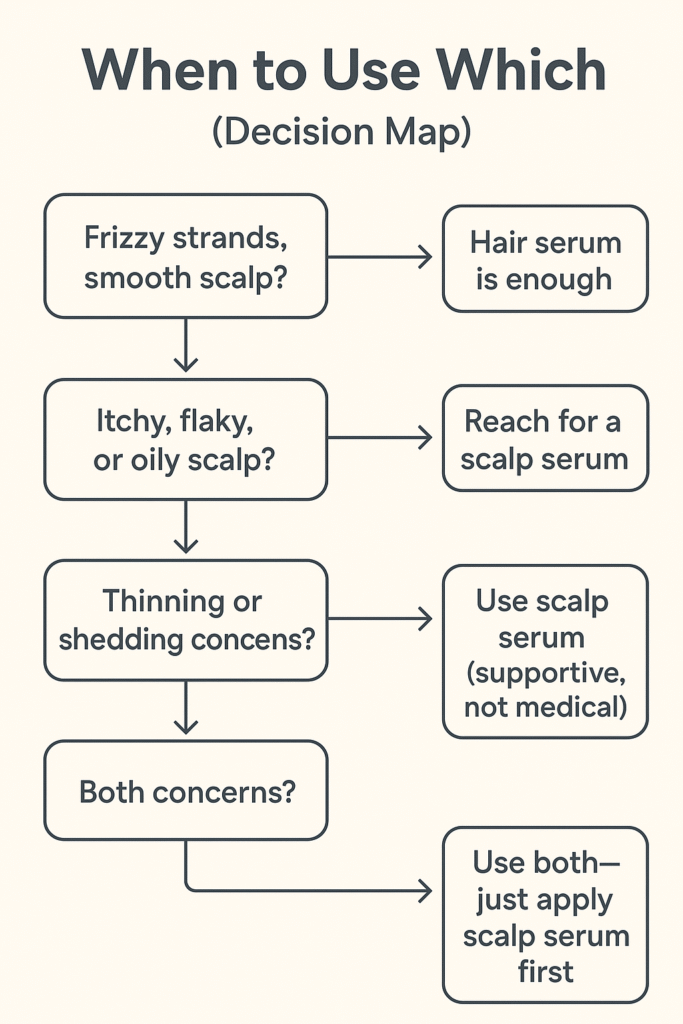
Choosing the right serum depends on your hair’s unique needs. Both scalp serums and hair serums serve different purposes. Knowing which one suits your hair type and concerns helps achieve better results. Consider factors like hair type, common problems, and environmental effects before picking a serum.
Hair Type Considerations
Different hair types need different care. Oily hair may benefit more from lightweight scalp serums. Dry or damaged hair often requires nourishing hair serums. Fine hair needs a serum that does not weigh it down. Thick or curly hair may need richer formulas for moisture and frizz control. Select a serum that matches your hair’s texture and condition.
Common Hair Concerns
Addressing specific issues improves serum effectiveness. Scalp serums target dryness, itchiness, or dandruff at the root. Hair serums focus on smoothing, shine, and split-end repair. If hair feels brittle, a hair serum with oils can help. For scalp irritation, choose calming ingredients in a scalp serum. Identify your main hair problem to pick the right product.
Seasonal And Environmental Factors
Weather affects hair health significantly. Cold, dry air can dry out the scalp and hair. Hot sun exposure may cause scalp burns and hair damage. Use hydrating scalp serums in winter to soothe dryness. In summer, protect hair with serums that shield from UV rays. Pollution calls for serums with antioxidants to clean and protect. Adapt your serum choice to seasonal changes and surroundings.
Application Tips For Best Results
Applying scalp serum and hair serum correctly improves their effects. Each serum has a unique way to use for best results. This section shares simple tips to help you apply both serums safely and effectively.
Proper Scalp Serum Application
Start with clean, dry scalp. Use the dropper or nozzle to place serum directly on the scalp. Focus on thinning or dry areas. Gently massage the serum with fingertips. This helps absorption and boosts blood flow. Avoid using too much serum. A few drops are enough for each section.
Effective Hair Serum Usage
Apply hair serum on damp or dry hair. Use a small amount to avoid greasiness. Rub serum between your palms first. Then, spread it evenly through hair ends. Avoid the roots to prevent oiliness. Style hair as usual after application. This protects hair from heat and smooths frizz.
Combining Both Serums Safely
Use scalp serum before shampooing, or at night. Apply hair serum after washing and drying hair. Do not mix them together in one step. This keeps their benefits clear and effective. Wait a few minutes between applying each serum. This prevents product buildup and scalp irritation.

Credit: breewoo.com
Common Myths About Serums
Serums have become popular in hair care, but many myths confuse users. These myths often stop people from choosing the right product for their hair needs. Clearing up false beliefs helps you use serums correctly and see the best results.
Serums Cause Hair Loss
Some think serums make hair fall out. This is not true. Good quality serums protect hair and scalp. They add moisture and reduce breakage. Hair loss usually happens from other causes, not serums.
Only One Serum Is Necessary
People believe one serum works for all hair types. Each serum has a special purpose. Scalp serums focus on the scalp health. Hair serums improve shine and smoothness. Using both can benefit hair fully.
Serums Work Instantly
Serums do not give instant results. They improve hair over time. Regular use is important. Effects like shine and strength appear after days or weeks. Patience helps you get the best from serums.
Frequently Asked Questions
What Is The Main Difference Between Scalp Serum And Hair Serum?
Scalp serum targets the scalp to promote health and reduce issues. Hair serum focuses on smoothing and protecting hair strands from damage. Both serve distinct purposes but complement each other in hair care routines.
Can Scalp Serum Help With Hair Growth?
Yes, scalp serum nourishes follicles and improves scalp circulation. This environment supports stronger, healthier hair growth over time. Regular use can reduce hair thinning and promote thicker hair.
Is Hair Serum Suitable For Oily Scalps?
Hair serum is generally applied to hair strands, not the scalp. For oily scalps, choose lightweight, non-greasy formulas. Avoid heavy serums that may increase scalp oiliness or clog pores.
How Often Should I Use Scalp Serum And Hair Serum?
Use scalp serum 2-3 times weekly for best results. Hair serum can be applied daily or after washing for shine and protection. Follow product instructions for optimal frequency.
Conclusion
Choosing between scalp serum and hair serum depends on your hair needs. Scalp serums focus on nourishing your scalp for healthier hair growth. Hair serums mainly protect and add shine to your hair strands. Both have unique benefits and work well together.
Use the right serum to support your hair’s health and appearance. Simple care routines can make a big difference. Keep your scalp clean and hair hydrated for best results. Small steps lead to better, stronger hair over time.