

Are you confused about whether to choose a hair serum or a hair vitamin for your hair care routine? You’re not alone.
Both promise healthier, shinier hair, but they work in very different ways. Understanding these differences can save you time, money, and frustration. Keep reading, because by the end of this article, you’ll know exactly which option suits your hair needs and how to get the best results.
Your hair deserves the right care—let’s find out what that is.
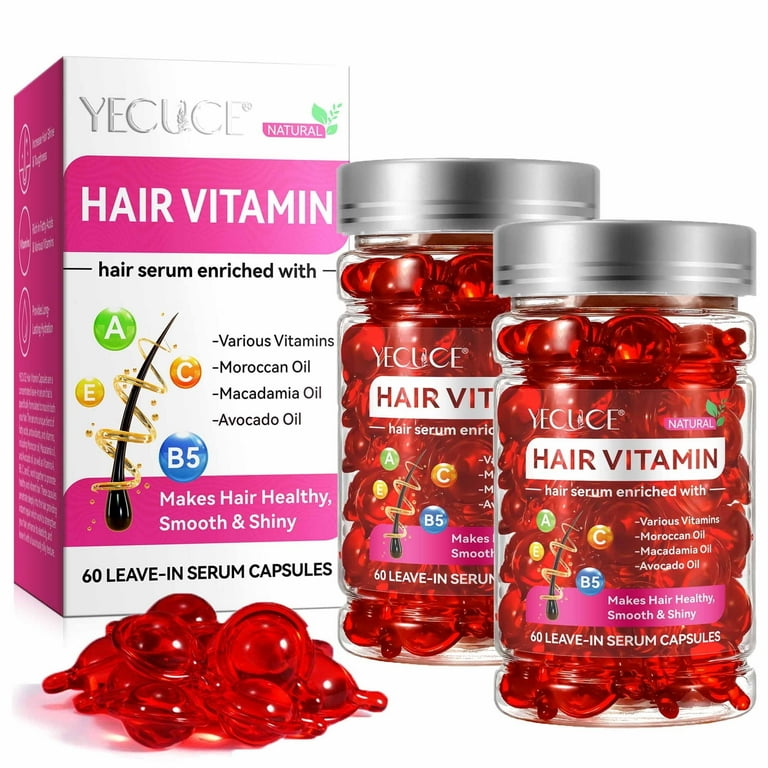
Credit: www.walmart.com
Hair Serum Basics
Understanding the basics of hair serums helps in choosing the right product for your hair care. Hair serums are lightweight liquids that smooth and protect hair. They work on the surface to add shine and reduce frizz. Many people use serums to make hair look healthier and easier to style.
Serums differ from hair vitamins. Vitamins nourish hair from inside, while serums provide external protection and shine. Knowing how serums work and how to use them can improve your hair care routine.
What Hair Serums Do
Hair serums protect hair from heat and pollution. They reduce frizz and add a smooth finish. Serums also help detangle hair and prevent split ends. Some serums add shine, making hair look glossy and fresh. They create a thin layer on hair strands to lock in moisture.
Key Ingredients In Serums
Silicone is a common ingredient in hair serums. It coats hair to smooth and protect it. Oils like argan and jojoba nourish hair and add shine. Vitamins such as vitamin E support hair health. Some serums include antioxidants to fight damage. Lightweight formulas avoid weighing hair down.
How To Apply Hair Serum
Apply a small amount of serum to clean, damp hair. Start with a pea-sized drop and add more if needed. Focus on the ends and mid-lengths, avoiding the scalp. Use fingers or a comb to spread the serum evenly. Style hair as usual after applying serum.
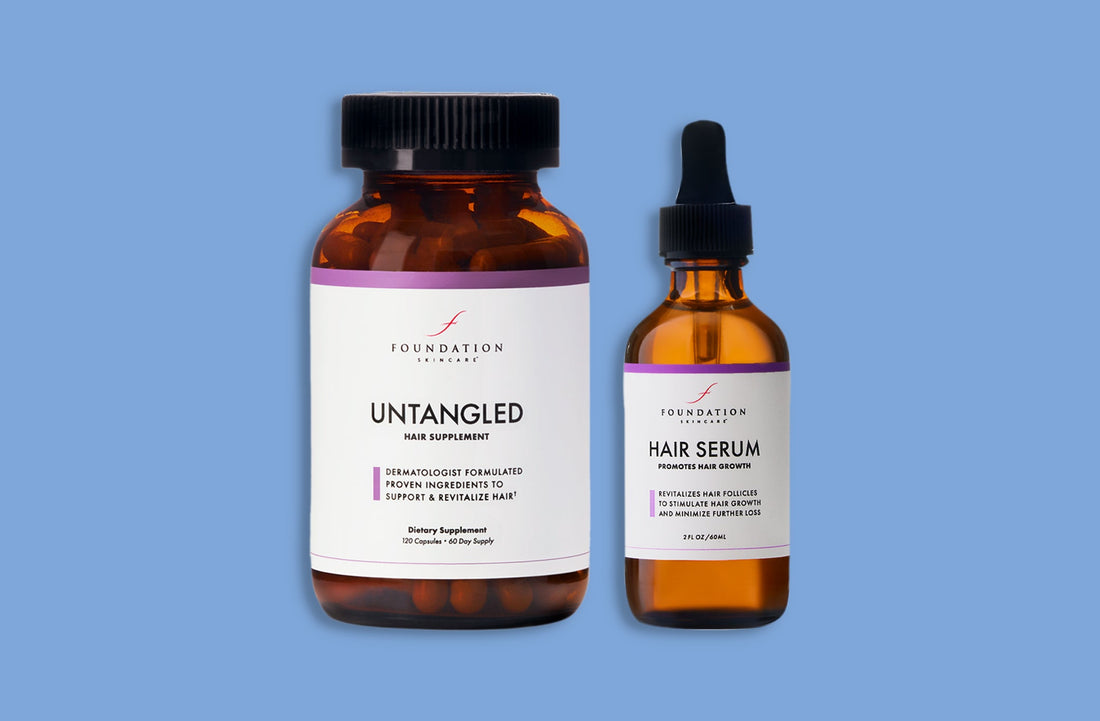
Credit: foundationskincare.com
Hair Vitamin Essentials
Hair vitamins support hair health from inside the body. They provide nutrients that hair needs to grow strong and shiny. Many people take hair vitamins to improve hair texture and reduce hair fall.
These vitamins work differently than hair serums, which apply nutrients directly to the scalp. Hair vitamins nourish hair follicles through the bloodstream. This helps hair grow healthier over time.
Role Of Hair Vitamins
Hair vitamins feed hair follicles with important nutrients. They help repair damaged hair and support new hair growth. Stronger hair is less likely to break or fall out.
Vitamins also improve scalp health. A healthy scalp creates a better environment for hair growth. Many hair problems start from nutrient deficiencies, which vitamins can fix.
Common Nutrients In Vitamins
Biotin is a popular nutrient that helps strengthen hair strands. Vitamin E protects hair from damage caused by free radicals. Vitamin D supports hair follicle cycling and growth.
Iron improves blood flow to the scalp, providing oxygen for hair follicles. Zinc helps repair hair tissue and keeps oil glands working well. These nutrients work together to promote healthy hair.
Taking Hair Vitamins Safely
Follow the recommended dosage on the label. Taking too many vitamins can cause side effects. Consult a healthcare provider before starting any new supplement.
Hair vitamins work best with a balanced diet and good hair care habits. Patience is key, as hair growth takes time. Consistent use leads to better, longer-lasting results.
Benefits Comparison
Comparing the benefits of hair serum and hair vitamins helps choose the best option for your hair needs. Both products improve hair health but work differently. Understanding these differences guides better hair care choices.
Effects On Hair Health
Hair serum protects hair from damage and dryness. It forms a thin layer, sealing moisture inside. Serums also reduce frizz and add shine instantly.
Hair vitamins nourish hair from within. They provide essential nutrients like biotin and vitamins A, C, and E. These nutrients strengthen hair roots and reduce breakage over time.
Impact On Hair Growth
Hair vitamins support natural hair growth by improving scalp health. They supply vital nutrients that hair follicles need to grow new hair.
Hair serum does not directly affect hair growth. It focuses on improving the hair’s outer layer and appearance. It helps hair look healthier but does not speed up growth.
Improvement In Hair Texture
Hair serum smooths rough hair and controls flyaways. It makes hair feel softer and look shinier immediately.
Hair vitamins improve texture gradually by strengthening hair strands. Over time, hair becomes thicker and less brittle with regular vitamin use.
Usage Differences
Hair serums and hair vitamins serve different roles in hair care. Understanding how to use each helps get the best results. Usage varies in how you apply them, how often, and who they suit best.
These differences affect your daily routine and the health of your hair over time.
Topical Vs Oral Application
Hair serums are applied directly on the hair and scalp. They work on the surface to smooth, protect, and add shine. Hair vitamins are taken by mouth as pills or gummies. They work from inside the body to support hair growth and strength.
Frequency And Timing
Hair serums are usually used daily or after washing hair. You apply them on damp or dry hair for best effect. Hair vitamins are taken once or twice daily with meals. Consistent use over weeks is needed for visible changes.
Suitability For Hair Types
Hair serums suit dry, frizzy, or damaged hair well. They help control flyaways and add moisture. Hair vitamins benefit all hair types, especially weak or thinning hair. They support overall hair health from within.
Side Effects And Precautions
Using hair serums and hair vitamins can improve hair health. Both products have benefits but also some risks. Knowing the side effects and precautions helps you use them safely. This section explains what to watch for when using hair serums or vitamins.
Potential Allergies
Some hair serums contain fragrances or chemicals. These can cause itching or redness on the scalp. Hair vitamins may include ingredients that trigger allergies too. Watch for rash, swelling, or irritation after use. Stop using the product if you notice any allergic signs.
Overuse Risks
Applying too much hair serum can make hair greasy. It may clog hair follicles and cause scalp problems. Taking more hair vitamins than needed can lead to vitamin overdose. This may cause stomach pain, nausea, or other health issues. Follow the recommended amount on the label carefully.
Consulting Professionals
Ask a doctor or dermatologist before starting new hair products. They can check for allergies or health conditions. Professionals give advice on the right products for your hair type. This lowers the chance of side effects or harm. Always follow their guidance for safe use.

Credit: slikhaarshop.eu
Choosing Between Serum And Vitamins
Choosing between hair serum and hair vitamins can be tricky. Both have unique benefits. Understanding your needs helps pick the right product for your hair.
Based On Hair Concerns
Hair serum works well for dry, frizzy, or damaged hair. It adds shine and smooths strands instantly. Hair vitamins improve hair health from inside. They help with hair growth and strength. Pick serum for quick fixes and vitamins for long-term care.
Lifestyle Considerations
Serum suits busy routines. It applies easily and shows fast results. Vitamins need daily intake and patience. They fit people with steady habits. Choose based on your daily schedule and patience level.
Budget And Availability
Serums usually cost less upfront and are easy to find. Vitamins may be pricier and need regular purchase. Check local stores or online shops. Pick what fits your budget and access.
Combining Serum And Vitamins
Combining hair serum and hair vitamins can improve your hair care routine. Each product works in a different way. Serums protect and smooth the hair surface. Vitamins nourish the hair from inside. Using both helps you get stronger, shinier hair.
Benefits Of Using Both
Hair serum adds shine and reduces frizz. It protects hair from heat and pollution. Hair vitamins support healthy hair growth. They supply essential nutrients to hair follicles. Using both gives complete care. Hair looks healthier and feels softer. It also reduces hair breakage and split ends.
How To Integrate In Routine
Apply serum on damp or dry hair. Focus on ends and avoid scalp. Take hair vitamins daily with water. Follow the recommended dose on the label. Use serum before styling or after washing. Vitamins work best with regular use. Consistency is key for visible results. Keep both products in your daily routine.
Avoiding Conflicts
Do not apply serum directly on scalp. It can block pores and cause irritation. Take vitamins as directed without skipping days. Avoid using too many hair products at once. This can make hair greasy or heavy. Check ingredients if you have allergies. Stop use if you notice irritation. Balance is important for best results.
Frequently Asked Questions
What Is The Main Difference Between Hair Serum And Hair Vitamin?
Hair serum is a topical product that smooths and protects hair. Hair vitamins are supplements that nourish hair from within. Serum improves shine and manageability immediately. Vitamins promote long-term hair health and growth.
Can Hair Serum Replace Hair Vitamins For Hair Growth?
No, hair serum cannot replace vitamins for growth. Serum mainly protects and styles hair externally. Vitamins provide essential nutrients that support hair growth internally.
How Often Should I Use Hair Serum Versus Hair Vitamins?
Use hair serum daily or as needed for shine and frizz control. Hair vitamins are typically taken once daily as per product instructions for best results.
Are Hair Vitamins Safe To Use With Hair Serum?
Yes, hair vitamins and serum can be used together safely. Vitamins nourish hair internally, while serum protects and styles externally. Combining both enhances overall hair health.
Conclusion
Choosing between hair serum and hair vitamins depends on your hair needs. Serums protect and add shine to your hair’s surface. Vitamins help from inside, improving hair strength and growth. Both can work well together for healthier hair. Think about what your hair lacks most.
Consistent care brings the best results over time. Simple steps can lead to softer, stronger hair every day. Keep your routine easy and fit your lifestyle. Healthy hair is possible with the right choice and patience.