
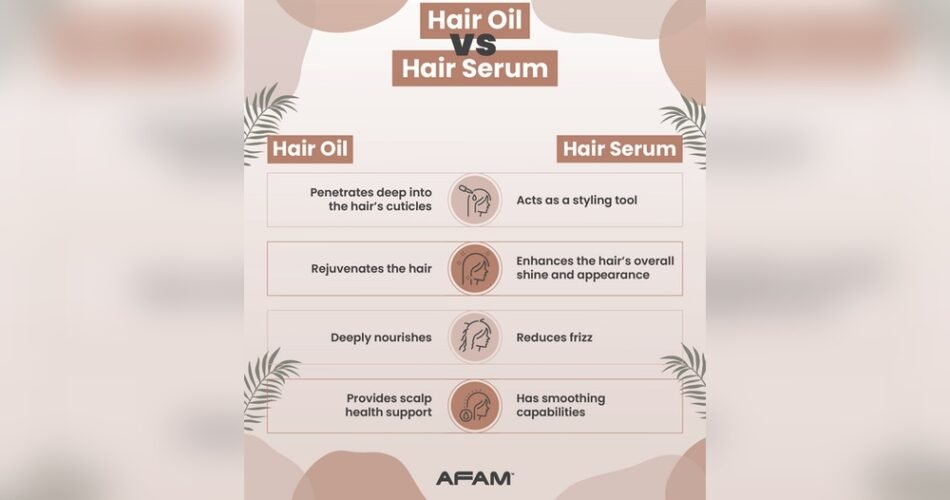
Are you confused about whether to choose hair serum or hair tonic for your hair care routine? You’re not alone.
Both promise healthier, shinier hair, but they work in very different ways. Knowing which one suits your hair type and needs can save you time, money, and frustration. Keep reading, and you’ll discover the key differences that will help you pick the perfect product to transform your hair.
Your best hair days are just ahead!
Hair Serum Basics
Hair serum is a popular hair care product that many people use to improve hair appearance. It is a lightweight liquid applied to hair after washing. Hair serum helps to smooth hair, reduce frizz, and add shine. It works by coating the hair strands, making them look healthier and more manageable.
Understanding the basics of hair serum helps to choose the right product for your hair type. Knowing what it does, its main ingredients, and benefits can guide better hair care decisions.
What Hair Serum Does
Hair serum smooths hair and controls frizz. It creates a thin layer on hair strands to protect them from humidity. Serum also adds shine, making hair look glossy and soft. It does not weigh hair down or make it greasy. Some serums protect hair from heat damage caused by styling tools.
Key Ingredients
Silicones like dimethicone are common in hair serums. They coat hair to create smoothness and shine. Oils such as argan oil and jojoba oil nourish hair and add moisture. Vitamins like vitamin E help protect hair from damage. Some serums include herbal extracts for added care.
Benefits For Hair
Hair serum improves hair texture and appearance. It reduces frizz and flyaways for a neat look. Hair feels softer and easier to style. Serum also protects hair from dryness and heat. It helps maintain hair health and prevents split ends.
Credit: thaitradewholesale.com
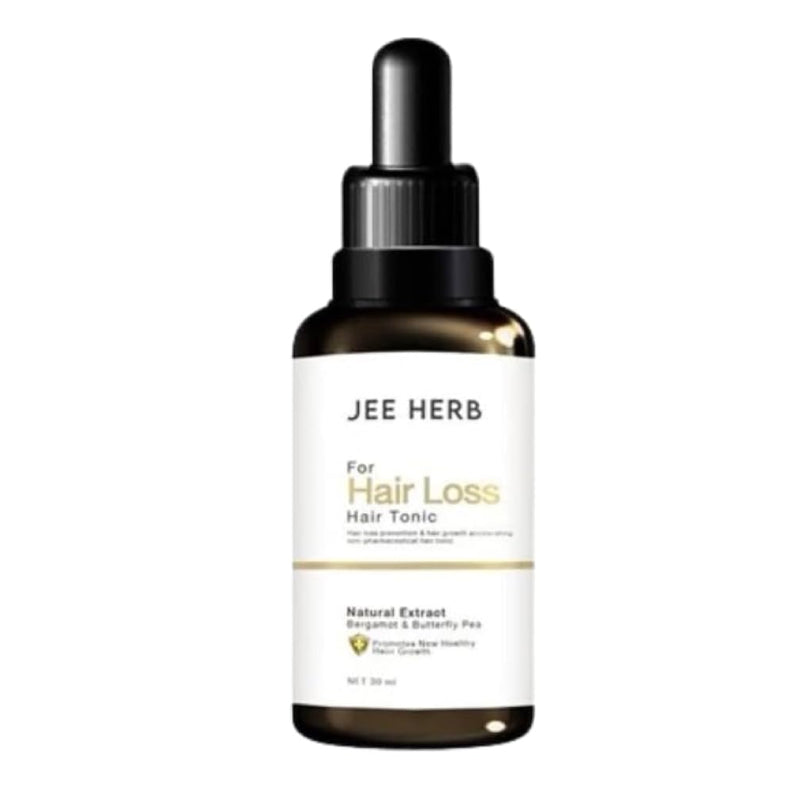
Hair Tonic Essentials
Hair tonics have been part of hair care for many years. They are liquids made to help the scalp and hair stay healthy. People use hair tonics to feel fresh and to improve hair condition. The product works by soothing the scalp and adding shine to hair. It is different from other hair products like serums, but both aim to improve hair health.
Understanding hair tonic basics helps you choose the right product. Knowing what it does and what is inside can guide your hair care routine. Here are the key points about hair tonic.
Purpose Of Hair Tonic
Hair tonic is made to nourish the scalp and hair roots. It helps prevent dryness and itching on the scalp. Some tonics also reduce hair fall and boost hair growth. Many use it to add moisture and make hair look shinier. It keeps the scalp clean and fresh, which supports healthy hair.
Common Ingredients
Hair tonics often contain natural oils like coconut or almond oil. These oils help moisturize and soften hair. Some tonics have herbal extracts like tea tree or rosemary. These plants are known to improve scalp health. Other ingredients include vitamins and minerals that strengthen hair. Alcohol is sometimes added to give a cooling effect.
Advantages For Scalp And Hair
Hair tonic soothes irritation and reduces dandruff on the scalp. It improves blood flow, which can help hair grow stronger. Regular use keeps hair soft and less prone to damage. It also adds a natural shine and reduces frizz. The tonic helps keep the scalp clean, which is good for overall hair health.
Differences In Texture And Application
The texture and application of hair serum and hair tonic differ greatly. These differences affect how each product feels and works on your hair. Understanding these aspects helps you choose the right product for your hair needs.
Consistency And Feel
Hair serum usually has a thick, smooth texture. It feels oily or silky to the touch. Serums coat the hair strands, making them look shiny and soft.
Hair tonic has a lighter, watery or liquid feel. It absorbs quickly without leaving a greasy layer. Tonics often feel refreshing and cooling on the scalp.
How To Apply Each
Apply hair serum by placing a few drops on your palm. Rub your hands together and spread it through damp or dry hair. Focus on the ends to avoid a greasy scalp.
Pour hair tonic into your hands or use a dropper. Massage it gently into the scalp. Tonics work best on clean, damp hair to stimulate the scalp and nourish roots.
Frequency Of Use
Hair serum is usually applied after every wash or as needed. It helps protect hair from heat and frizz throughout the day.
Hair tonic can be used daily or several times a week. Regular use supports scalp health and encourages hair growth.

Credit: venusde.com
Choosing Based On Hair Type
Choosing hair products based on hair type helps achieve better results. Hair serum and hair tonic serve different purposes. Serums mainly add moisture and smoothness. Tonics often focus on scalp health and oil control. Knowing your hair type guides you to the best choice.
Best Serum For Dry Hair
Dry hair needs extra hydration and softness. Hair serums with natural oils work well. They lock in moisture and reduce frizz. Using serum makes hair shiny and manageable. Avoid heavy formulas that weigh hair down.
Tonic For Oily Hair
Oily hair requires a product that controls excess oil. Hair tonic helps balance scalp oil production. It refreshes the scalp and reduces greasiness. Tonics are lightweight and do not clog pores. Regular use keeps oily hair fresh longer.
Suitability For Damaged Hair
Damaged hair needs gentle care and repair support. Serums with vitamins and proteins help strengthen strands. Tonics improve scalp health, promoting better hair growth. Combining both can aid recovery but choose mild formulas. Avoid harsh ingredients that cause more damage.
Impact On Hair Growth And Health
The impact of hair serum and hair tonic on hair growth and health varies. Both products aim to improve hair condition but do so differently. Understanding their effects helps choose the best option for your needs.
Serum Effects On Hair Strength
Hair serum mainly protects and strengthens hair strands. It forms a thin layer over hair to prevent damage. This layer stops breakage and split ends. Serums often contain vitamins and oils that nourish hair. Stronger hair looks shinier and feels smoother. Using serum regularly can improve hair texture and reduce frizz.
Tonic Role In Stimulating Growth
Hair tonic focuses on stimulating the scalp. It increases blood flow to hair roots, which supports growth. Tonics often include ingredients like caffeine or herbal extracts. These help keep hair follicles healthy and active. Massaging tonic into the scalp can reduce hair loss. It also refreshes the scalp and removes excess oil or dirt.
Long-term Results
Serum improves hair appearance and strength over time. It does not directly cause new hair growth. Tonics can help slow hair thinning and encourage new growth. Consistent use is key for seeing results with tonic. Both serum and tonic can be part of a hair care routine. Combining them may provide better overall hair health.
Styling And Finish
The styling and finish of your hair define your overall look. Choosing the right product shapes how your hair feels and appears. Hair serum and hair tonic serve different roles in styling. Understanding these can help you get the best finish for your hair.
Serum For Shine And Smoothness
Hair serum adds a glossy shine to your hair. It smooths frizz and tames flyaways quickly. Serums coat the hair strands, making them look sleek. They work well on dry or damp hair. The result is a polished, neat appearance. Serums also protect hair from heat damage during styling.
Tonic For Volume And Texture
Hair tonic lifts the roots, adding volume to flat hair. It gives texture and a light hold without stiffness. Tonics refresh hair and often contain ingredients that soothe the scalp. They are ideal for fine or limp hair. Tonics bring a natural, airy finish to hairstyles. They also help maintain hair health over time.
Combining Both For Styling
Using serum and tonic together can enhance your hairstyle. Apply tonic first to boost volume and texture. Follow with serum to smooth and add shine. This combo creates a balanced look with body and gloss. It suits many hair types and styling needs. Experiment to find the right mix for your style.
Potential Side Effects And Precautions
Both hair serums and hair tonics offer benefits but can cause side effects. Knowing potential risks helps keep your hair healthy. Use these products safely by understanding their effects and taking simple precautions.
Allergic Reactions
Some ingredients in hair serums and tonics may trigger allergies. Redness, itching, or rash can appear on the scalp. Test a small amount on your skin before full use. Stop using the product if irritation occurs.
Overuse Concerns
Using too much serum or tonic can weigh hair down. It may cause greasy or sticky hair texture. Overuse can also clog hair follicles, leading to scalp problems. Follow recommended amounts and avoid daily heavy use.
Choosing Safe Products
Pick products with natural and gentle ingredients. Avoid harsh chemicals like sulfates and parabens. Check labels carefully and choose trusted brands. Safe products reduce risks of damage or irritation.
Cost And Availability
Cost and availability play key roles in choosing hair care products. Both hair serum and hair tonic offer benefits, but their prices and how easy they are to find vary. Understanding these differences helps in picking the right product for your hair and budget.
Price Range Comparison
Hair serums usually cost more than tonics. Prices start from low to high depending on brand and ingredients. Serums can range from $10 to $50 or more. Tonics tend to be cheaper, often between $5 and $20. The price reflects the product’s formula and packaging.
Where To Buy
Hair serums are widely sold in beauty stores and online shops. Many brands are available on popular e-commerce websites. Hair tonics are also easy to find, especially in drugstores and supermarkets. Both products have good availability in physical and digital markets.
Budget-friendly Options
Affordable hair serums exist but may have simpler ingredients. Drugstore brands offer good serums at lower prices. Tonics are generally budget-friendly and work well for daily use. Choosing a product depends on how much you want to spend and the hair needs.
Credit: www.bluenectar.co.in
Frequently Asked Questions
What Is The Main Difference Between Hair Serum And Tonic?
Hair serum smooths and adds shine to hair. Hair tonic nourishes the scalp and promotes hair growth. Both improve hair health but serve different purposes.
Can Hair Serum Replace Hair Tonic For Scalp Care?
No, hair serum mainly targets hair strands for shine. Hair tonic specifically nourishes the scalp and strengthens roots. Use both for comprehensive hair care.
How Often Should I Use Hair Serum Versus Hair Tonic?
Use hair serum after washing to control frizz and add shine. Apply hair tonic 2-3 times weekly to stimulate scalp health and growth.
Which Product Is Better For Dry And Damaged Hair?
Hair serum is ideal for dry, damaged hair as it provides moisture and smoothness. Hair tonic benefits scalp health but offers less direct hair repair.
Conclusion
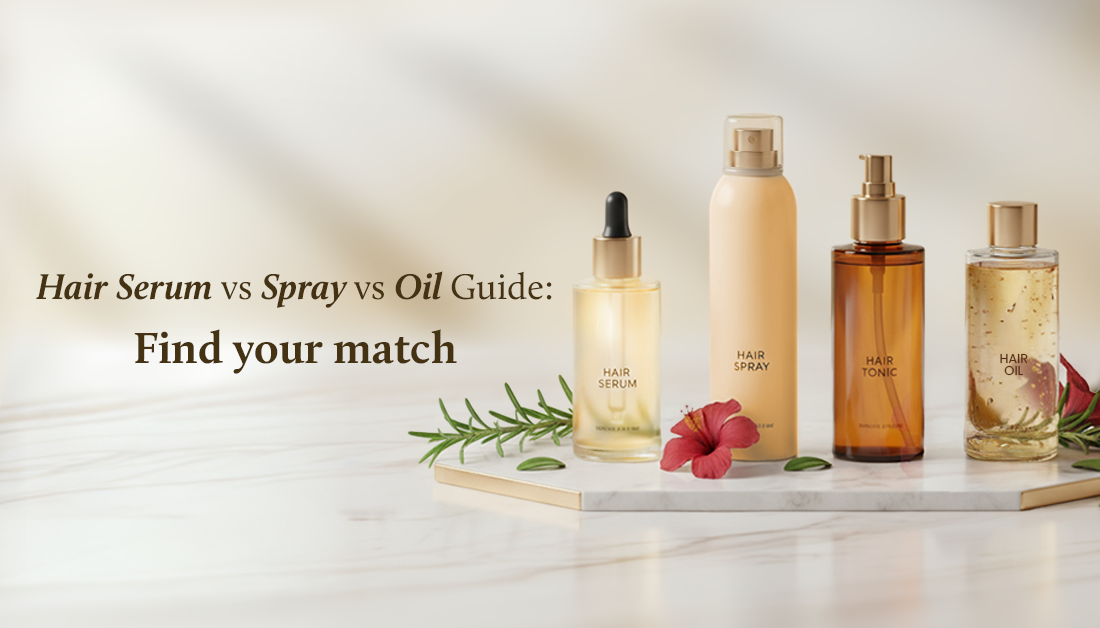
Choosing between hair serum and hair tonic depends on your hair needs. Hair serum adds shine and smoothness to your strands. Hair tonic helps nourish the scalp and promotes hair health. Both products serve different purposes but can work well together.
Consider your hair type and goals before picking one. Use each product as directed for best results. Healthy hair care is about consistency and understanding your hair’s needs. Small changes can make a big difference over time. Keep your hair clean and moisturized for lasting beauty.