
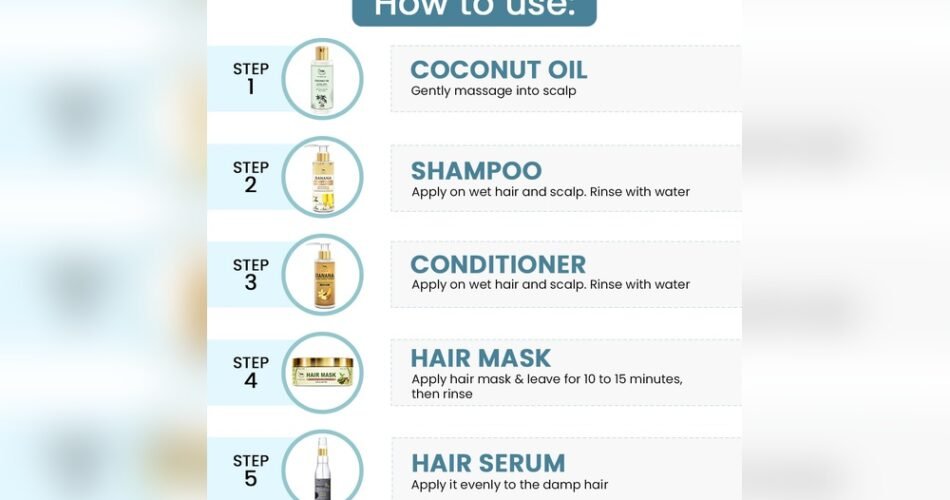
Are you confused about whether to use a hair serum or a hair mask for your hair? You’re not alone.
Both promise healthier, shinier hair, but they work very differently. Choosing the right one can make a big difference in how your hair looks and feels. You’ll discover the key differences between hair serums and hair masks, and learn which one suits your hair’s needs best.
Keep reading to find the perfect solution for your hair care routine.
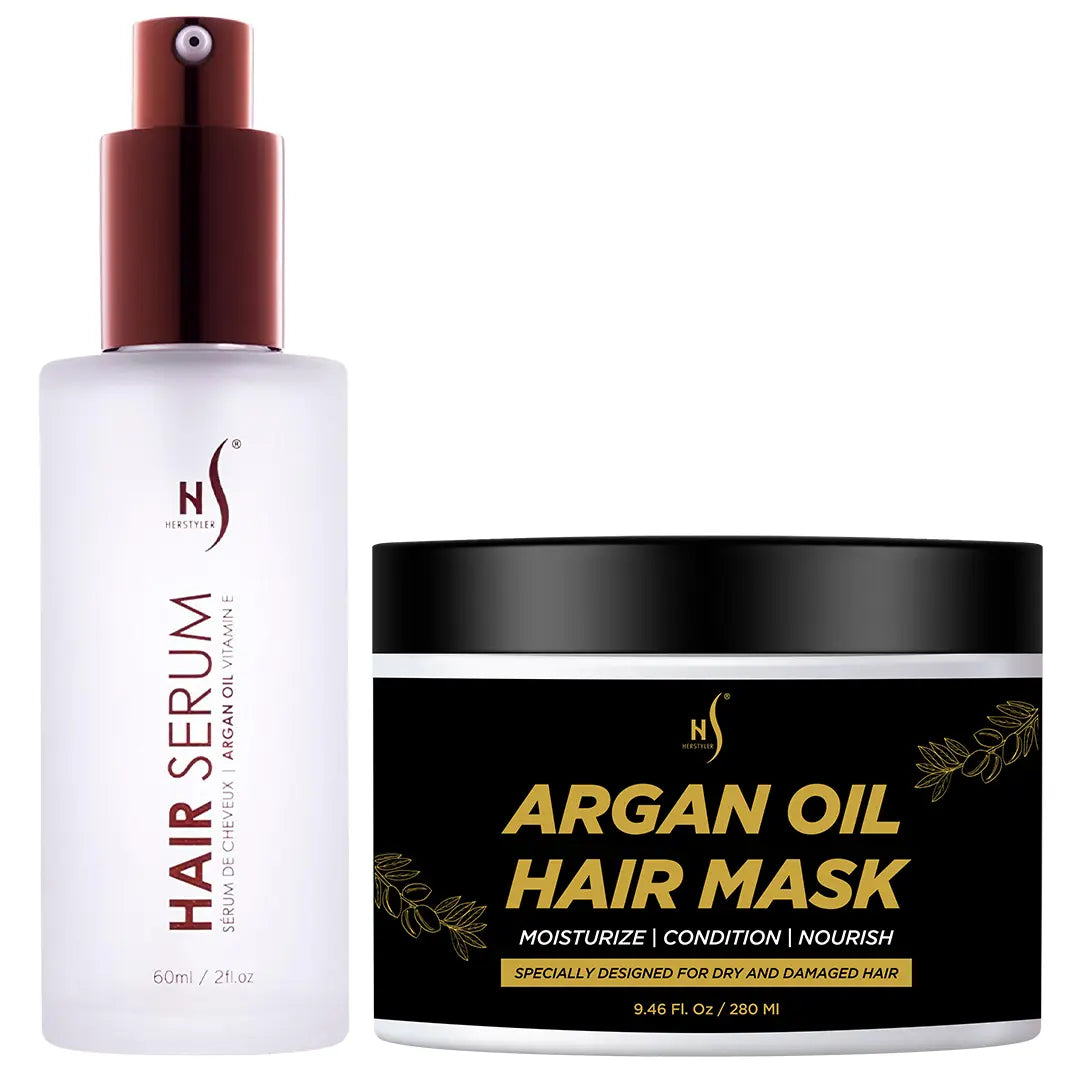
Credit: herstyler.com
Purpose Of Hair Serum
Hair serum is a lightweight product designed to improve hair’s look and feel quickly. It smooths frizz, adds shine, and protects hair from damage. People use hair serum mainly to make hair soft and manageable without heavy buildup.
Unlike thick creams or masks, serum works on the hair’s surface. It creates a protective layer that seals moisture and shields hair from heat and pollution. This helps keep hair healthy and polished throughout the day.
Benefits For Hair
Hair serum adds shine and reduces frizz for a smooth finish. It protects hair from heat styling tools. It also helps repair split ends and prevents hair breakage. Serum makes hair easier to comb and style. It can improve hair texture and softness instantly.
Types Of Hair Serums
There are serums for different needs. Some focus on adding shine. Others control frizz or repair damage. Certain serums protect hair from heat. Some formulas are for oily hair, others for dry hair. Choose one based on your hair type and concern.
How To Apply Hair Serum
Start with clean, towel-dried hair. Take a small amount of serum on your palm. Rub your hands together to spread the product. Apply serum mainly on the ends and mid-lengths. Avoid the scalp to prevent greasiness. Use a comb to spread serum evenly. Style hair as usual.
Purpose Of Hair Mask
Hair masks are deep conditioning treatments designed to nourish and repair hair. They work by delivering rich ingredients that restore moisture and strength. Hair masks help fix damage from heat, chemicals, and pollution.
Using a hair mask regularly improves hair health and texture. It makes hair softer, shinier, and easier to manage. The purpose of a hair mask is to give hair a boost of care beyond regular shampooing and conditioning.
Benefits For Hair
Hair masks hydrate dry and brittle hair deeply. They repair split ends and reduce breakage. Masks add shine and smoothness to dull hair. They also protect hair from future damage. Masks improve hair elasticity and reduce frizz. Overall, hair becomes stronger and healthier.
Types Of Hair Masks
There are many hair masks for different needs. Moisturizing masks suit dry and damaged hair. Protein masks help strengthen weak and thin hair. Clarifying masks remove buildup from products and oils. Color-protecting masks keep dyed hair vibrant longer. Choose a mask based on your hair type and condition.
How To Apply Hair Mask
Start with clean, damp hair for best results. Apply the mask evenly from roots to tips. Use a wide-tooth comb to spread the product. Leave the mask on for 10 to 20 minutes. Rinse thoroughly with lukewarm water. Use a hair mask once or twice a week for healthy hair.
Key Differences Between Serum And Mask
Hair serum and hair mask are popular hair care products but serve different purposes. Understanding their key differences helps in choosing the right one for your hair needs. Both improve hair health but work in unique ways. Below are the main differences to consider.
Formulation And Ingredients
Hair serum is a lightweight liquid with silicones and oils. It coats the hair surface to smooth and add shine. Hair masks are thick creams with deep conditioning ingredients like proteins and natural oils. They penetrate hair strands to repair and nourish from inside.
Usage Frequency
Serum is used daily or after washing hair. A small amount controls frizz and protects hair from damage. Masks are used once or twice a week. They need to stay on hair for 10 to 30 minutes for deep treatment.
Effect On Hair Texture
Serum leaves hair smooth, shiny, and soft immediately. It does not change hair structure but improves appearance. Masks improve hair texture over time by strengthening and moisturizing. Hair feels healthier, stronger, and less dry after regular use.
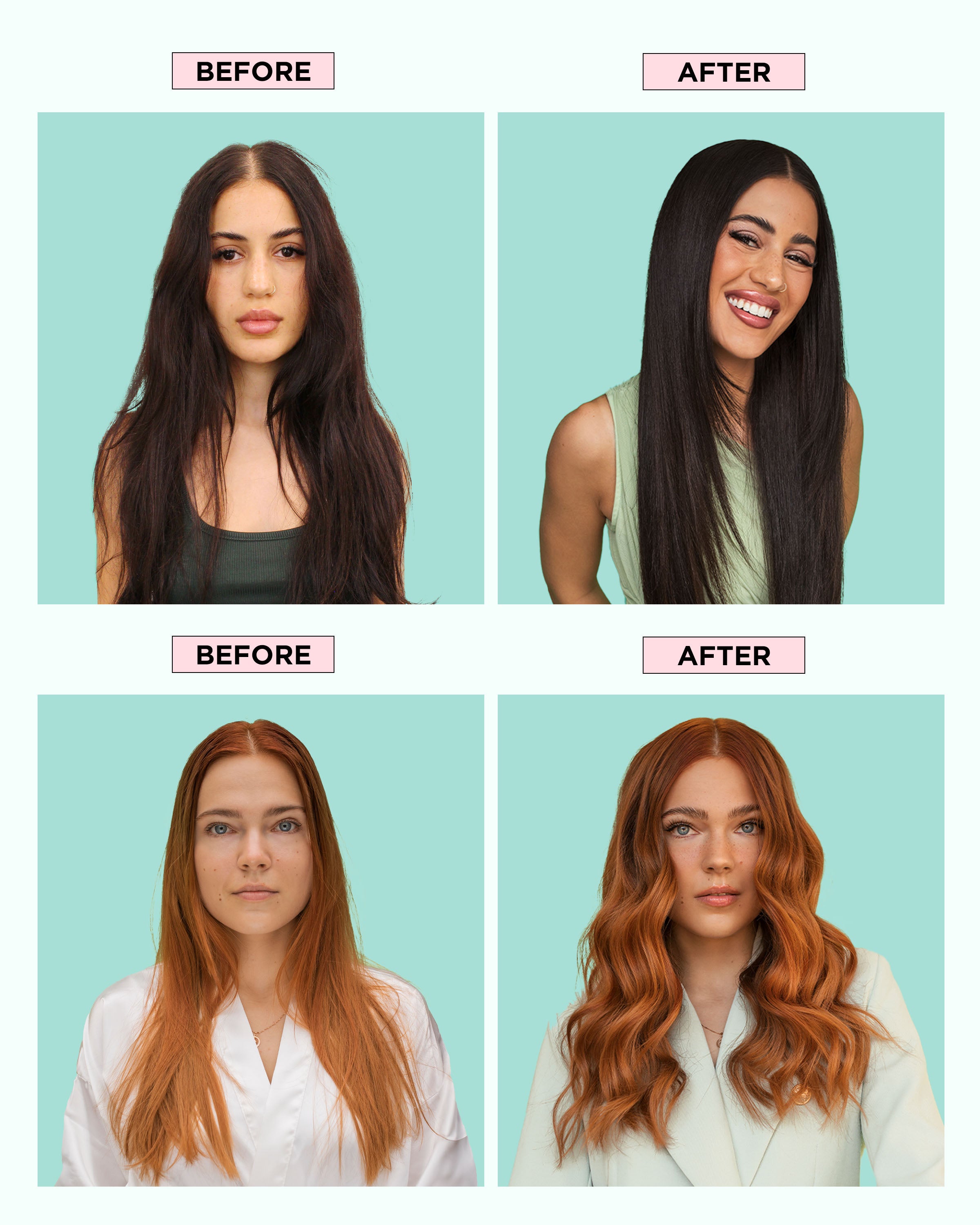
Credit: designmehair.com
Choosing Between Serum And Mask
Choosing between a hair serum and a hair mask depends on your hair’s needs and your daily routine. Both products help improve hair health but serve different purposes. Understanding these differences can help you pick the right one for your hair type, concerns, and environment.
Hair Type Considerations
Hair serum works best on fine or straight hair. It adds shine and smooths frizz without weighing hair down. Thick or curly hair may need more hydration. Hair masks provide deep moisture and repair. They suit dry, damaged, or coarse hair better. Choose serum for light protection and shine. Pick a mask for strong nourishment and repair.
Hair Concerns And Goals
Use serum to tame frizz and add shine. It protects hair from heat styling and pollution. Masks target damage like split ends and dryness. They rebuild hair strength and softness. For daily care, serum is quick and easy. For weekly treatment, masks give deep repair. Match the product to your hair goals.
Seasonal And Environmental Factors
Hot weather and humidity cause frizz and dryness. Serum can control flyaways and protect from moisture. Cold, dry air strips hair of natural oils. Masks add needed hydration and prevent breakage. Pollution and sun exposure damage hair over time. Serums form a protective barrier. Masks restore hair’s health after damage.
Combining Serum And Mask In Hair Care
Combining hair serum and hair mask can improve hair health greatly. Each product has a unique role. Hair masks provide deep moisture and repair. Serums add shine and smoothness. Using both correctly can give the best results.
Best Practices For Layering
Apply the hair mask first. It needs time to soak into the hair. After rinsing the mask, dry hair gently. Then, use a small amount of serum. Focus serum on the ends and dry areas. Avoid applying serum to the scalp. This keeps hair from looking greasy.
Timing And Routine Tips
Use a hair mask once or twice a week. Serums can be used daily or after washing. For best results, apply serum on damp or dry hair. Do not overuse serum; a little goes far. Stick to a routine for consistent hair care.
Avoiding Common Mistakes
Do not mix serum and mask at the same time. Avoid applying too much serum; it weighs hair down. Do not skip rinsing the hair mask. Applying serum on wet, un-dried hair can cause buildup. Follow product instructions for safe use.
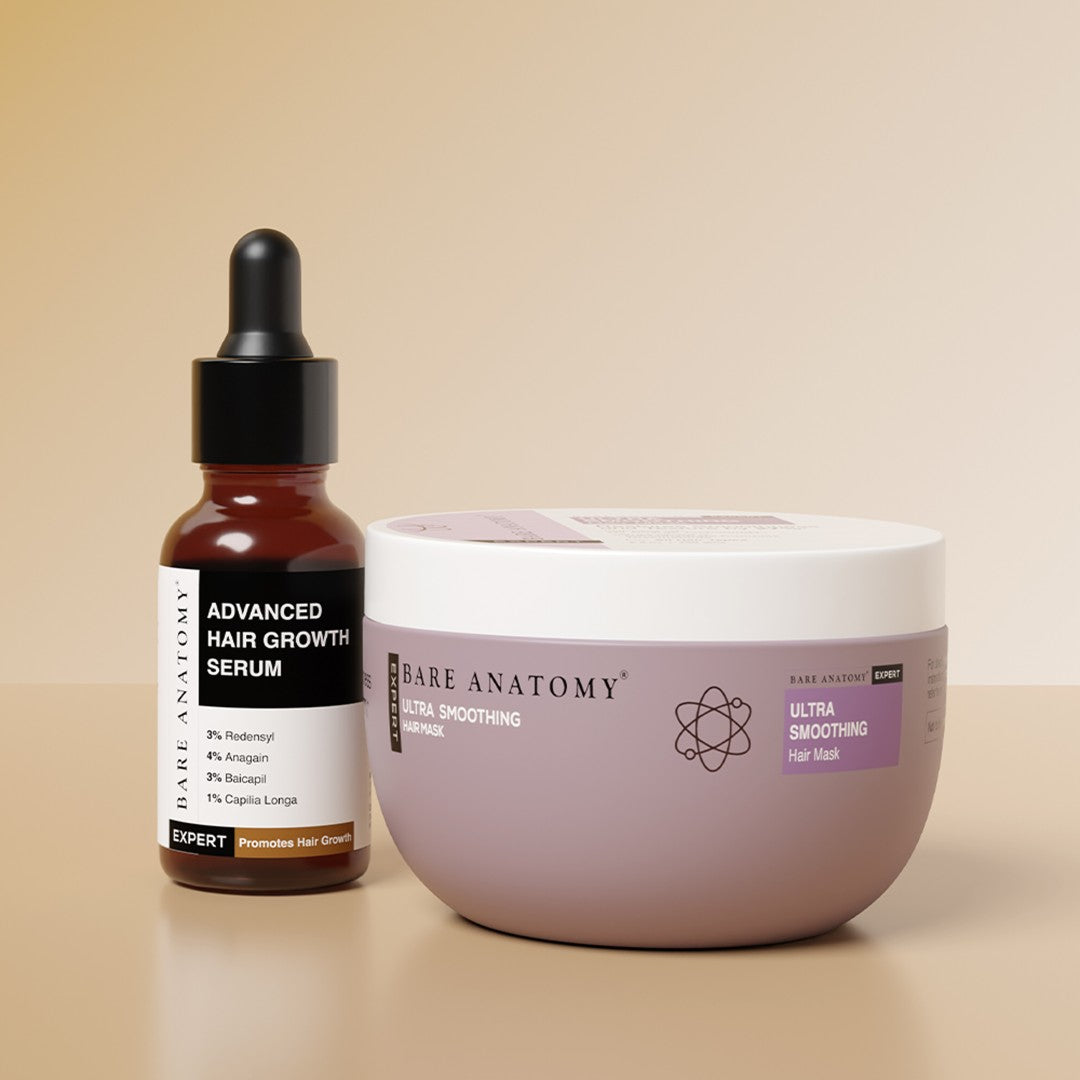
Credit: innovist.com
Frequently Asked Questions
What Is The Main Difference Between Hair Serum And Hair Mask?
Hair serum is a lightweight product for daily smoothing and shine. Hair mask is a deep-conditioning treatment used weekly for repair and hydration.
How Often Should I Use Hair Serum Versus Hair Mask?
Use hair serum daily or as needed for frizz control. Use hair mask once or twice a week for deep nourishment.
Can Hair Serum Replace A Hair Mask In Hair Care?
No, hair serum and hair mask serve different purposes. Serum adds shine; mask repairs and hydrates deeply.
Which Hair Type Benefits More From Hair Serum?
Hair serum works best for dry, frizzy, or damaged hair needing smoothness and shine without heaviness.
Conclusion
Choosing between hair serum and hair mask depends on your hair needs. Serums add shine and control frizz quickly. Masks deeply nourish and repair hair over time. Use serum for daily smoothness and masks for weekly care. Both products help keep hair healthy and soft.
Think about your hair type and goals before picking one. Mixing both in your routine can give balanced results. Healthy hair needs regular care and the right products. Simple steps make a big difference in hair health.