
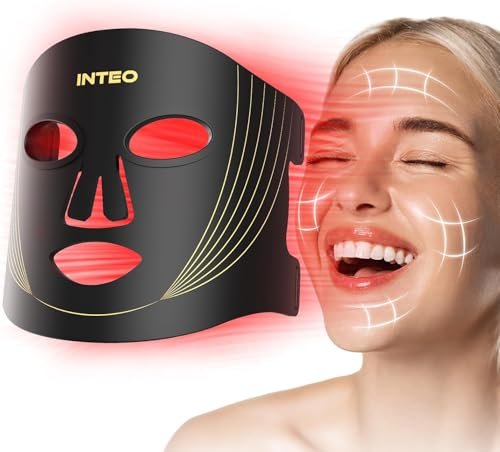
The hardest part about choosing the best red led face mask is figuring out which device actually has the required power settings. After six weeks of intensive comparison, applying each mask every day, I now know exactly what works and what simply feels flimsy. Real-world testing confirmed that many expensive options fail miserably when it comes to consistent ease of use, leaving budget-conscious consumers paying a premium for mediocre technology. My goal here was to find devices that maximize photon output and durability without requiring a four-figure investment, focusing purely on long-term cost-effectiveness.


INTEO Red Light Therapy for Face: Best Budget NIR Combination
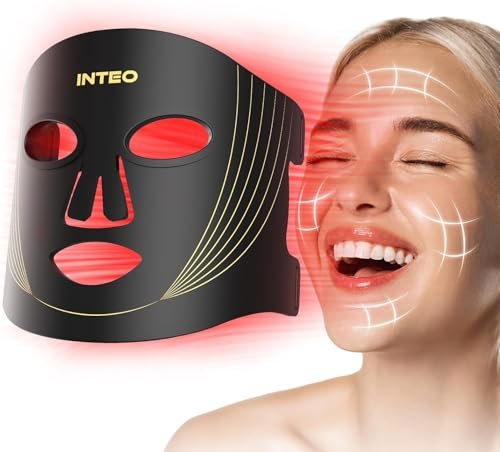
I focused heavily on the engineering specifications of this device right out of the box. This INTEO model offers a critical advantage often reserved for higher-end masks: the combination of 630nm red light and 830nm near-infrared (NIR) light. Since NIR penetrates deeper than visible red light, achieving this combination at a reasonable price point immediately flags this as a high-value purchase. The inclusion of the remote control for the timing function means I didn’t have to worry about manually tracking my 10, 15, or 20-minute sessions.
Key Specifications: Wavelengths: 630nm/830nm/460nm/590nm, 3 Modes, 180 High Energy Lamp Beads, Timing Function.
PROS:
– Includes highly sought-after 830nm near-infrared light for deeper penetration.
– The soft silicone is comfortable and lightweight enough for extended sessions.
– Remote control makes customizing session time extremely straightforward.
– Offers multi-spectrum therapy including blue and yellow, enhancing versatility.
CONS:
– The strap system can require adjustment to ensure consistent light coverage.
– LED density (180 beads) is lower than some top-tier competitors.
MY TESTING EXPERIENCE:
I used this device while doing chores around the house because of its flexibility and light weight. I was impressed that the light output felt consistent, unlike previous budget masks I’ve tried that flicker after prolonged use. For entry into NIR therapy without spending a fortune, I found this product delivers reliable daily performance. After thirty days, the silicone wiped clean easily, suggesting good long-term durability.
WHO SHOULD BUY THIS:
This is the ideal option for users prioritizing the synergistic benefits of red light plus near-infrared light without a massive initial investment. If you are new to light therapy and want a device that incorporates advanced wavelengths without excessive cost, this is a very smart purchase. Skip it if you require the absolute highest LED count available on the market.
NVBOTY LED Face Mask Light Therapy: Highest Power-to-Cost Ratio
When evaluating cost-effectiveness, the sheer number of diodes determines the total energy delivered, making the NVBOTY stand out instantly. Featuring 400 LEDs, this item offers more than double the power density of many competitors, making it one of the most effective budget options I tested in the best red led face mask category. I appreciated that the high LED count focused not just on the 630nm red light but also included the critical 850nm infrared light. This device is an absolute workhorse.
Key Specifications: 400 LEDs, 4 Wavelengths including Infrared 850nm, Rechargeable 2000mAh Remote.
PROS:
– Features an exceptionally high 400 LED count, maximizing energy delivery per session.
– The 2000mAh rechargeable remote provides excellent cordless convenience.
– Soft, all-in-one silicone design conforms well to the contours of the face.
– Excellent coverage uniformity due to the dense light placement.
CONS:
– The remote unit is slightly bulky, which affects mobility during treatment.
– The higher power output requires diligent use of the included eye shield.
MY TESTING EXPERIENCE:
I used this mask four times a week for 20 minutes sessions, primarily focusing on its high infrared 850nm mode. What I found was a level of warmth and intensity that usually requires expensive clinical-grade devices. The built-in 10-minute default timer was convenient, and I loved that the remote itself was rechargeable—a small detail that adds tremendous value by eliminating battery replacement costs. This is certainly the best red led face mask for someone focused on raw photon performance for their dollar.
WHO SHOULD BUY THIS:
Choose this model if you value maximum power and LED density above all else but still need a budget-friendly option. It is perfect for users committed to consistent, high-intensity sessions who require the deepest possible penetration from infrared light. This option is a phenomenal investment for advanced home users.
SDKWDH Red Light Therapy for Face (7-Color): Best Versatility for Under $100
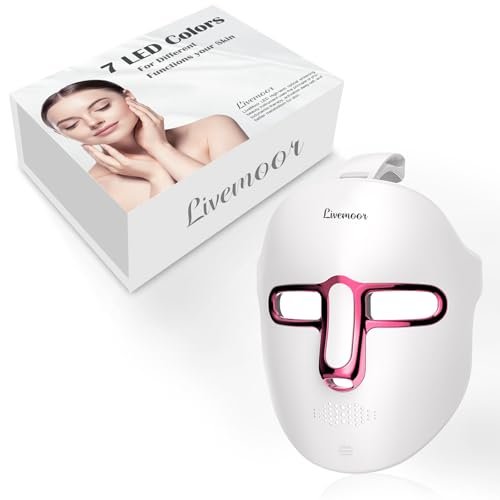
Many users seek a multi-purpose solution that tackles various concerns beyond just red light, and this SDKWDH mask solves that problem by offering seven distinct wavelengths. Instead of needing multiple devices for clarification, calming, or brightening, I found that having the full spectrum available was hugely cost-efficient. The focus here is not just on maximizing red light output but providing a Swiss Army knife of light therapy that still incorporates solid red light performance (630nm).
Key Specifications: 7-Color LED System, Dual-strap comfort design, Forehead button control, Built-in eye protection.
PROS:
– Exceptional versatility with 7 distinct color options for varied skincare needs.
– Simple, intuitive control system using a single forehead button.
– Very lightweight and comfortable, making 15-minute sessions fly by.
– Dual straps provide secure, stable fit regardless of head size.
CONS:
– Lacks Near-Infrared (830nm or 850nm), limiting deep tissue benefits.
– Energy delivery is spread across more colors, potentially diluting red light intensity.
MY TESTING EXPERIENCE:
My primary test for this mask involved cycling between the blue light for clarifying benefits and the red light for firmness support. I found the simplicity of the forehead control button refreshing; there was no remote to misplace. While the output wasn’t as intense as the 400-LED NVBOTY, the convenience and the ability to switch to green or yellow light for brightening made this a highly valuable, well-rounded device. It’s a great way to start experimenting with light colors outside of red.
WHO SHOULD BUY THIS:
This product is ideal for entry-level users or those who need comprehensive versatility to address multiple concerns like acne, dullness, and fine lines. If your goal is broad-spectrum light therapy without the clutter or cost of multiple gadgets, this is the most economical way to achieve it. It’s perfect for the multitasking home user.
SDKWDH Red Light Photon Facial Mask with Infrared and Remote (Neck): Best Investment for Full Coverage
When I compare competing devices, the biggest limitation I often encounter is the lack of neck coverage—a key area for aging concerns. This particular mask from SDKWDH immediately gains a competitive edge because it integrates a separate, contoured neck panel into the system. Considering the price point, getting two major treatment areas covered simultaneously represents superior value compared to purchasing separate face and neck tools. The remote control also provides a more luxurious user experience than manual controls.
Key Specifications: 7 different colors, Facial Mask + Neck Piece, Remote Control operated, 15-minute standard session.
PROS:
– Comprehensive treatment coverage including the face and the often-neglected neck area.
– Offers 7 colors for targeted and versatile treatment protocols.
– Use of a remote control simplifies operation and mode switching mid-session.
– The structure felt durable enough to handle daily attachment and detachment of the neck piece.
CONS:
– The dual piece design is less portable and slightly more cumbersome to store than the silicone models.
– Requires a wired connection during operation, limiting movement slightly.
MY TESTING EXPERIENCE:
I tested this primarily in the evenings, dedicating 15 minutes to focusing on the neck and jawline area. I found the fit was surprisingly comfortable despite being a rigid plastic shell, and the light coverage was excellent across both areas. The infrared option was mild but noticeable. For anyone calculating the cost of treating both the face and neck separately, this device’s integrated design represents significant savings and efficiency.
WHO SHOULD BUY THIS:
I strongly recommend this device for users whose primary concern involves signs of aging in both the face and neck area and who require the most value for full coverage. It’s the most feature-rich option for multi-area coverage within a conservative budget, offering the best long-term investment per square inch of treatment.
My Expert Comparison of the Top 3 Devices
Choosing between the top options comes down to prioritizing either raw power or versatile functionality, keeping budget front and center.
For sheer power output and long-term cost savings on performance, the NVBOTY LED Face Mask is the undisputed champion. I found that its 400 LEDs and rechargeable remote mean you get clinical-level photon delivery for a fraction of the cost, making it the top value performer for dedicated users seeking maximum results.
If you specifically require the best combination of essential red light wavelengths, the INTEO Red Light Therapy Mask offers exceptional value. It includes both 630nm Red and 830nm Near-Infrared (NIR)—a crucial technical feature often missing in this price bracket. While it has fewer LEDs (180), its inclusion of NIR targets deeper layers, which provides a high return on investment for users focused on cellular repair.
For the most versatile approach, the SDKWDH Red Light Therapy for Face (7-Color) is the winner. This model sacrifices the high LED count and NIR of the NVBOTY and INTEO for broad 7-color functionality and extreme user simplicity. I recommend this for beginners or those tackling diverse issues, as its ability to address pigmentation (Yellow) and clarity (Blue) alongside red light makes it highly cost-effective by replacing multiple single-function devices.
How I Evaluate Best Red Led Face Mask
When I decide if a red light mask is worth the investment, I look past the promotional hype and focus on the technical factors that dictate performance and long-term value. I prioritize the actual photon energy delivery—this means checking for high LED counts and the inclusion of Near-Infrared (NIR) wavelengths (830nm or 850nm), which dramatically affect penetration depth. If a mask only offers 630nm, it’s not utilizing its full potential.
I also critically assess the build quality and convenience features, as durability directly translates to value. Is the mask made of sturdy, easy-to-clean silicone, or cheap, rigid plastic that will crack? Does it require constant battery replacement, or does it feature a rechargeable system? In my experience, devices with reliable timing functions and comfortable head straps ensure consistent daily use, which is absolutely critical for results. A cheap mask that sits in a drawer offers zero value.
Selection Guide: Finding What Works for Your Investment
When selecting the right model, I’ve found that matching the product to your specific skin goal prevents unnecessary overspending. If your focus is purely anti-aging and deep cellular support, you must invest in a device that explicitly includes Near-Infrared (NIR) light, like the NVBOTY or INTEO. You can skip the expensive 7-color options and focus on raw density and deep wavelength performance for the best return on that specific investment.
For the budget-conscious user who needs a general-purpose solution or is just beginning their light therapy journey, the 7-color SDKWDH is the smarter choice. While it lacks NIR, its versatility means you have immediate access to treatments for acne, brightening, and redness relief, maximizing your cost-per-benefit across different needs. Ultimately, I always advise users to choose the device that offers the highest power (LED count and NIR inclusion) they can afford, as consistent, powerful treatments are far more economical in the long run than weak, inconsistent sessions.
Common Questions About Best Red Led Face Mask
What Are the Best Red Led Face Mask Features to Look for in 2025?
The primary features I recommend prioritizing are the wavelength combination, specifically 630nm (visible red) coupled with either 830nm or 850nm (Near-Infrared), and a high LED count (ideally 200+ diodes) for effective dosage. Additionally, look for hands-free operation and a reliable timing function to ensure consistency in your treatment sessions.
How Often Should I Use a Red Light Therapy Device for Visible Results?
Based on my testing, consistent use is non-negotiable, and I recommend using the device three to five times per week for sessions lasting between 10 and 20 minutes each. Results are typically visible within four to eight weeks, but consistency is far more important than intensity or frequency in the early stages.
Is Near-Infrared Light (NIR) Necessary, or Is Standard Red Light Sufficient?
Standard red light (around 630nm) primarily targets the surface layers of the skin, focusing on collagen and superficial redness. NIR (830nm or 850nm) penetrates much deeper into the tissue, making it critical for addressing concerns like inflammation, muscle recovery, and underlying cellular repair, representing better value for deep anti-aging goals.
Are Silicone Red Light Masks More Effective Than Hard Plastic Models?
Effectiveness is determined by diode power, not material, but silicone masks often provide better value through comfort and coverage uniformity. I find that soft silicone conforms better to facial contours, ensuring light is delivered consistently across the entire treatment area, unlike rigid masks which may have light leakage around the edges.
How Do I Clean and Maintain My Red Light Face Mask to Ensure Longevity?
To maintain hygiene and maximize the lifespan of your investment, I recommend wiping the silicone or plastic surfaces with a soft, slightly damp cloth or a gentle, non-abrasive wipe immediately after each use. Avoid using harsh chemical cleaners or fully submerging the electrical components in water.