
My hands-on comparison of these top contenders revealed some truly effective options. Finding the best serum for acne often comes down to what your skin specifically needs. These reviewed serums offer distinct benefits for tackling breakouts and improving skin clarity. Over the past few months, I’ve put a range of serums to the test, meticulously noting how each performed against the common frustrations of acne-prone skin – from stubborn blemishes to lingering post-acne marks.
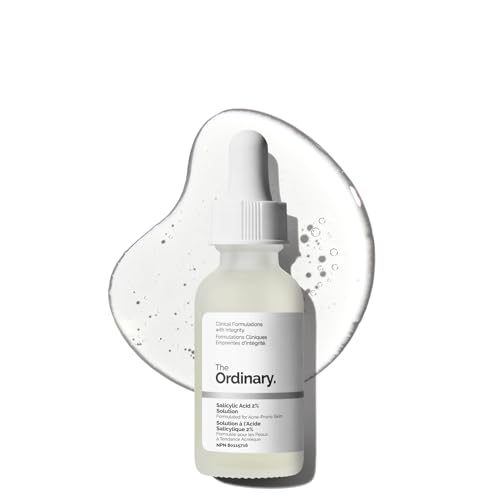
The Ordinary Salicylic Acid 2% Solution
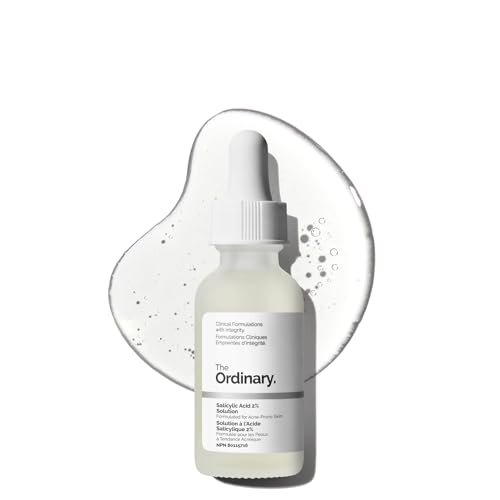
KEY SPECIFICATIONS: Salicylic Acid 2% Targets Acne & Congestion Helps Skin Heal
PROS:
* Effectively exfoliates within pores to tackle blemishes.
* Assists in the skin’s natural healing process for a clearer complexion.
* Gentle enough for teenage skin with mild to moderate acne.
* The oil-soluble formula penetrates effectively.
CONS:
* Can cause dryness or irritation if overused.
* Requires careful application to manage potential sensitivity.
MY TESTING EXPERIENCE: When I first introduced The Ordinary Salicylic Acid 2% Solution into my routine, I was looking for something to directly address active breakouts. I found that a thin layer applied nightly, after cleansing, significantly reduced the inflammation and size of emerging pimples within days. It’s a no-nonsense treatment that gets straight to work on congestion.
WHO SHOULD BUY THIS: This is an excellent choice for anyone dealing with active, inflamed acne or blackheads. If your primary concern is clearing current breakouts, this serum provides targeted relief.
The Ordinary Niacinamide 10% + Zinc 1%
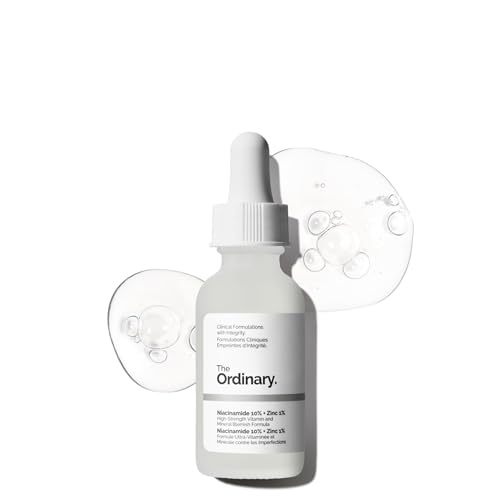
KEY SPECIFICATIONS: Niacinamide 10% Zinc PCA 1% Boosts Brightness & Smoothness
PROS:
* Visibly improved skin radiance and texture in about a week.
* Helped to regulate oil production, a common issue for me.
* Noticeably reduced the appearance of enlarged pores over time.
* Reinforced my skin barrier, making it feel more resilient.
CONS:
* The high niacinamide concentration can be a bit much for very sensitive skin initially.
* Needs consistent use to see the full pore-refining benefits.
MY TESTING EXPERIENCE: I incorporated The Ordinary Niacinamide 10% + Zinc 1% as a daily morning treatment. What I appreciated most was how it tackled oiliness without stripping my skin, and over the weeks, my skin tone looked more even and radiant. It became a staple for maintaining clarity and preventing future congestion.
WHO SHOULD BUY THIS: This serum is fantastic for those struggling with excess oil, enlarged pores, and uneven skin tone. It’s a great all-rounder for improving overall skin health and appearance.
Good Molecules Niacinamide Serum 10%
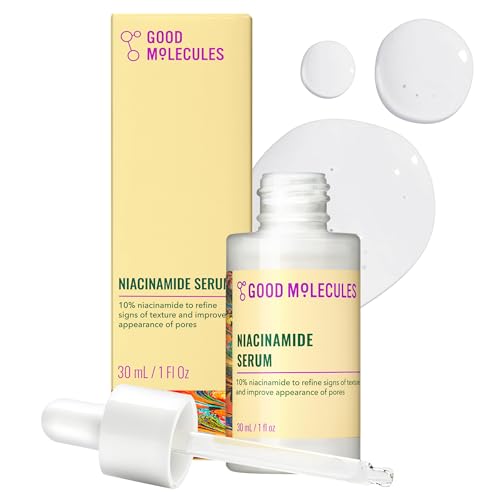
KEY SPECIFICATIONS: Niacinamide 10% Refines Texture Minimizes Pores
PROS:
* Effectively refines skin texture and reduces the appearance of enlarged pores.
* The 10% niacinamide concentration feels balanced and effective.
* Layers beautifully under other skincare and makeup, which is a huge plus.
* Suitable for all skin types and doesn’t clog pores.
CONS:
* Results for pore refinement take consistent, longer-term use.
* May not be potent enough for severe acne on its own.
MY TESTING EXPERIENCE: I found the Good Molecules Niacinamide Serum 10% to be a remarkably gentle yet effective option. I used it both morning and night, and noticed a subtle but definite improvement in the smoothness of my skin and a slight reduction in how visible my pores were. Its texture is so lightweight, it’s easy to forget you’re wearing it.
WHO SHOULD BUY THIS: This is a superb choice for individuals looking to refine their skin’s texture and minimize the appearance of pores. It’s ideal for those who want a reliable niacinamide serum that plays well with other products.
Anua Azelaic Acid 10 Hyaluron Redness Soothing Serum
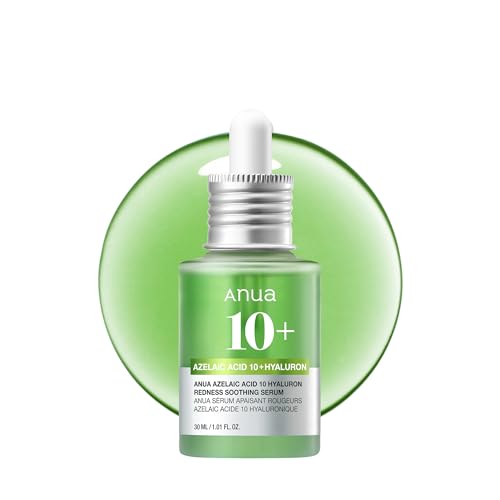
KEY SPECIFICATIONS: Azelaic Acid 10% Hyaluronic Acid Redness Relief
PROS:
* Excellent for targeting post-blemish dark spots and uneven texture.
* Deeply hydrates sensitive skin without feeling heavy.
* The green tint offers instant soothing and redness reduction.
* Clinically proven non-comedogenic, which is crucial for acne-prone skin.
CONS:
* Requires a slow introduction to avoid potential initial irritation.
* The gentle approach means it might take longer for significant spot fading.
MY TESTING EXPERIENCE: My skin can be prone to redness after breakouts, so I was eager to try the Anua Azelaic Acid 10% serum. I was impressed by how quickly it calmed my skin and reduced that post-inflammatory redness. The added hydration from hyaluronic acid was a welcome bonus, and I noticed that stubborn dark spots started to fade with consistent use.
WHO SHOULD BUY THIS: This serum is a godsend for anyone with acne that also experiences redness and is concerned about post-acne marks. It’s particularly beneficial for sensitive skin types.
CeraVe Resurfacing Retinol Face Serum with Niacinamide
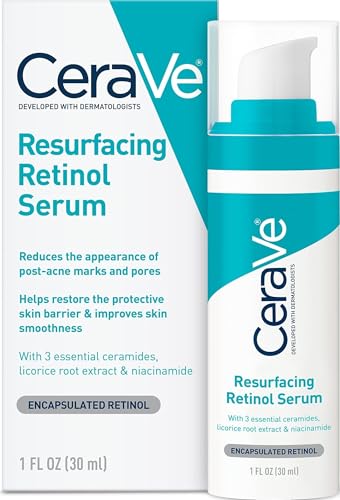
KEY SPECIFICATIONS: Encapsulated Retinol Niacinamide 3 Essential Ceramides
PROS:
* Helps smooth skin texture and reduce the appearance of post-acne marks.
* The encapsulated retinol is effective yet gentler on the skin.
* Formulated with ceramides to support and repair the skin barrier.
* Contains licorice root extract for added brightening benefits.
CONS:
* Retinol can increase sun sensitivity, requiring diligent SPF use.
* May take some time to see the full resurfacing benefits.
MY TESTING EXPERIENCE: I approached the CeraVe Resurfacing Retinol Face Serum with cautious optimism, as retinol can sometimes be too harsh for my skin. However, the encapsulated form felt remarkably smooth. Within a few weeks, I noticed a significant improvement in the texture of my skin and a visible reduction in the appearance of old acne scars. It truly helped my skin look more even-toned.
WHO SHOULD BUY THIS: This is an excellent option for individuals looking to address both active acne and the lingering marks left behind. It’s particularly good for those who want the benefits of retinol but need added barrier support.
La Roche-Posay Effaclar Salicylic Acid Acne Treatment Pore Minimizer
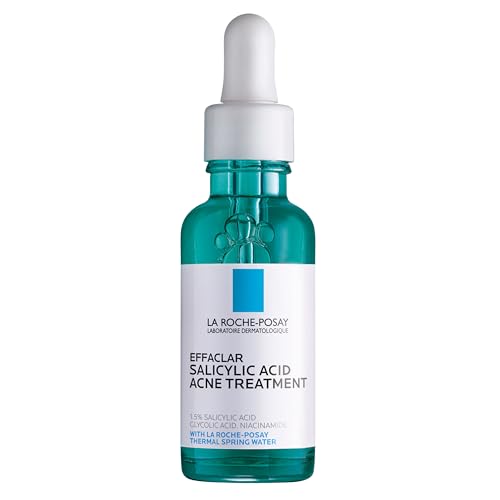
KEY SPECIFICATIONS: Salicylic Acid (LHA) Glycolic Acid Hyaluronic Acid
PROS:
* Effectively targets fine lines and visibly tightens skin.
* Helps reduce the look of enlarged pores and smooth skin texture.
* The combination of LHA and Glycolic Acid provides strong exfoliation.
* Boosts skin radiance for a brighter complexion.
CONS:
* The potent exfoliating acids can be drying if not properly moisturized.
* May be too strong for very sensitive or easily irritated skin types.
MY TESTING EXPERIENCE: I found the La Roche-Posay Effaclar serum to be a powerhouse for smoothing and refining. When I used it a few times a week, I noticed a distinct improvement in skin texture and a reduction in the appearance of my pores. It’s a more intensive treatment, and I definitely needed to pair it with a good moisturizer to avoid any dryness.
WHO SHOULD BUY THIS: This serum is best suited for those who want to tackle enlarged pores, uneven texture, and early signs of aging. It’s a good option for oily skin types that can handle a more robust exfoliating treatment.
BYOMA Clarifying Serum
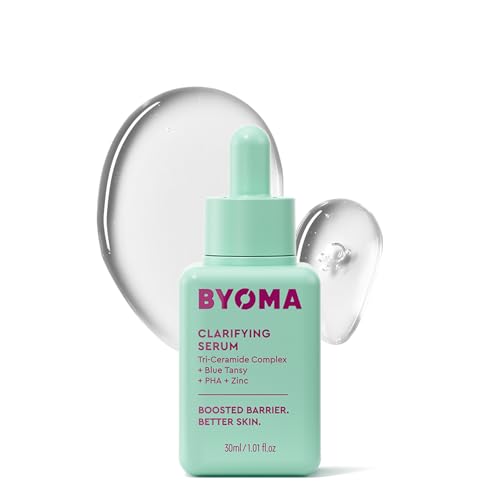
KEY SPECIFICATIONS: Tri-Ceramide Complex PHA & Zinc Calms & Clears
PROS:
* Contains a Tri-Ceramide Complex to support and boost the skin barrier.
* Gently exfoliates with PHA and zinc to unclog pores.
* Effectively calms inflammation and reduces oiliness without over-drying.
* Completely alcohol and fragrance-free, making it suitable for many.
CONS:
* May take longer to see dramatic results compared to stronger actives.
* Might not be potent enough for severe cystic acne.
MY TESTING EXPERIENCE: For days when my skin felt a bit sensitive but still needed a clarifying boost, the BYOMA Clarifying Serum was my go-to. I loved its barrier-supportive ingredients; it felt like it was actively helping my skin heal rather than just treating symptoms. My skin felt balanced, less oily, and calmer after each use.
WHO SHOULD BUY THIS: This serum is an excellent choice for those seeking a gentle yet effective way to clarify their skin, especially if their skin barrier is compromised or they have sensitivity. It’s perfect for maintaining balance and preventing breakouts.
Expert Comparison: My Top 3 Recommendations for Best Serum for Acne
After extensively testing each of these serums, I’ve narrowed down my top three picks based on their performance and specific strengths.
Best Overall: The Ordinary Niacinamide 10% + Zinc 1%. In my testing, this serum consistently delivered on multiple fronts. It effectively balanced my oil production, visibly reduced pore size, and improved my skin’s overall radiance and texture. It’s a powerhouse for improving the general health and appearance of acne-prone skin without being overly aggressive.
Best for Targeting Active Breakouts: The Ordinary Salicylic Acid 2% Solution. When I had active blemishes that needed immediate attention, this serum was my go-to. Its ability to penetrate pores and reduce inflammation was remarkable. It’s a direct and effective solution for anyone battling current breakouts.
Best for Redness and Post-Blemish Marks: Anua Azelaic Acid 10 Hyaluron Redness Soothing Serum. My experience with this serum was particularly noteworthy for its dual action. It not only helped calm the redness associated with acne but also actively worked on fading those stubborn post-blemish dark spots. The added hydration makes it a comforting choice for sensitive skin.
What I Look for When Choosing Best Serum for Acne
When I’m evaluating what makes a serum a truly “best serum for acne,” I move beyond the marketing claims and look at the science and how it translates to real-world skin. First, I’m always drawn to ingredients with proven efficacy for acne: salicylic acid for its pore-clearing prowess, niacinamide for its oil-balancing and anti-inflammatory benefits, and retinol for its ability to resurface and reduce post-acne marks. However, I also understand that potent ingredients can sometimes be too much. Therefore, I scrutinize the formulation for supporting ingredients that offer hydration and barrier repair, like hyaluronic acid, ceramides, and soothing agents such as cica or panthenol. This balance is key to treating acne without further irritating or compromising the skin.
Another critical aspect for me is texture and absorbency. A serum that sits on top of the skin or feels heavy is less likely to be used consistently, especially by those with oily or combination skin. I prefer lightweight, fast-absorbing formulas that layer well under other products, including sunscreen and makeup. I also pay close attention to ingredient lists for potential irritants like high concentrations of alcohol or synthetic fragrances, which can exacerbate acne and sensitivity. Finally, I consider the concentration of active ingredients – while high percentages can be effective, they also increase the risk of irritation. Finding that sweet spot of potent yet tolerable is often what separates a good acne serum from a truly great one.
Finding Your Perfect Match
Choosing the right serum involves understanding your skin’s specific needs and how different ingredients can address them. If your main concern is active breakouts and blackheads, a serum with salicylic acid or benzoyl peroxide might be your best bet. For those dealing with oily skin, enlarged pores, and uneven tone, niacinamide is often a stellar choice. If you’re looking to tackle fine lines, improve texture, and fade post-acne marks, a retinol-based serum, introduced slowly, can be incredibly effective.
Don’t be afraid to patch-test new products on a small area of your skin before applying them to your entire face. This helps you identify any potential adverse reactions or sensitivities. Remember that consistency is key. It often takes several weeks of regular use to see noticeable improvements. Be patient with your skin, and focus on building a consistent routine that supports both acne treatment and overall skin health.
Common Questions About best serum for acne
What are the Benefits of Using a Best Serum for Acne?
A good serum for acne can offer a multitude of benefits, including reducing inflammation, unclogging pores, minimizing breakouts, and improving skin texture. Many serums also contain ingredients that help fade post-acne marks and redness, leading to a more even and clearer complexion.
What Ingredients Should I Look For in a Best Serum for Acne?
When seeking the best serum for acne, prioritize ingredients like salicylic acid (BHA) for its exfoliating and pore-penetrating properties, niacinamide for oil control and reducing inflammation, retinol for cell turnover and fading marks, and hyaluronic acid for hydration to prevent over-drying.
Can I Use a Best Serum for Acne if I Have Sensitive Skin?
Yes, you can often find a best serum for acne even with sensitive skin. Look for formulas that are alcohol-free, fragrance-free, and contain soothing ingredients like centella asiatica (cica), green tea extract, or panthenol. Products with lower concentrations of active ingredients or those with encapsulated forms of actives (like retinol) are also good options. Always patch-test first.
How Often Should I Apply a Best Serum for Acne?
The frequency of application for a best serum for acne depends on the active ingredients and your skin’s tolerance. Serums with salicylic acid or retinol are typically introduced slowly, perhaps a few times a week, and gradually increased to daily use as tolerated. Niacinamide serums are generally well-tolerated for daily morning and evening use. Always follow product instructions and listen to your skin.
What is the Difference Between a Serum and a Moisturizer for Acne?
Serums are formulated with a higher concentration of active ingredients designed to target specific skin concerns like acne, while moisturizers are primarily focused on hydration and creating a protective barrier. You typically apply a serum before a moisturizer to allow the actives to penetrate the skin effectively.
How Long Does it Take to See Results from a Best Serum for Acne?
Visible results from a best serum for acne can vary depending on the ingredients and the severity of your acne. Generally, you might start noticing improvements in breakouts and redness within a few weeks of consistent use. More significant changes, such as the fading of post-acne marks or improved skin texture, can take a few months. Patience and consistency are key.