
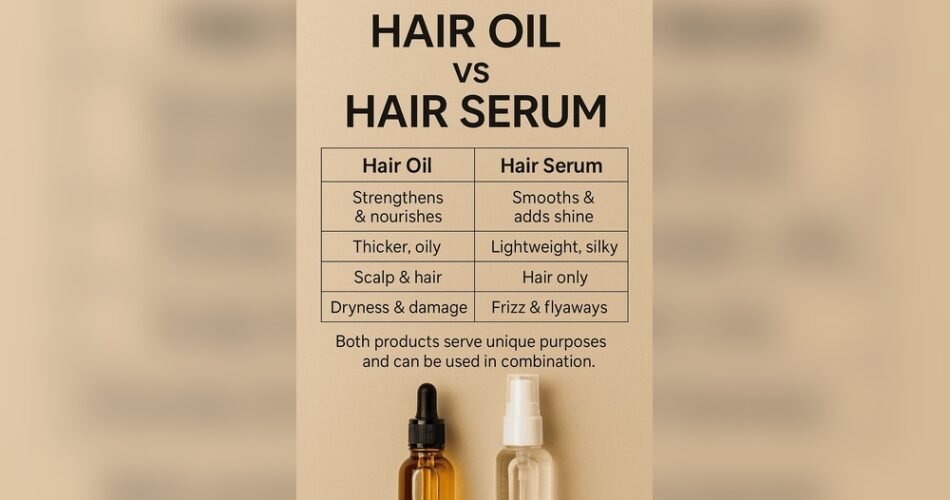
Are you confused about whether to use hair serum or hair oil for your hair care routine? You’re not alone.
Both promise shiny, healthy hair, but they work in very different ways. Choosing the right one can make a huge difference in how your hair looks and feels. Keep reading to discover which option suits your hair type and needs best—and finally unlock the secret to your perfect hair day.
Differences In Composition
Hair serum and hair oil serve different purposes because they have different ingredients. These differences affect how they treat your hair and scalp. Understanding their composition helps you pick the right product for your hair needs.
Ingredients In Hair Serum
Hair serums contain lightweight silicones and polymers. These ingredients coat the hair to make it smooth and shiny. Some serums include vitamins and antioxidants to protect hair from damage. They often have water or alcohol as a base to keep the formula light. Fragrance may be added for a fresh scent.
Ingredients In Hair Oil
Hair oils are made from natural oils like coconut, argan, or jojoba. These oils deeply nourish and moisturize the hair and scalp. Some hair oils include herbal extracts or essential oils for extra benefits. The texture is heavier than serums, which helps lock in moisture. Oils do not usually contain silicones or water.
Benefits For Hair
Healthy hair needs proper care and the right products. Hair serum and hair oil both help improve hair health. Each has unique benefits that suit different hair needs. Understanding these benefits can help you choose the best option for your hair.
Advantages Of Using Hair Serum
Hair serum smooths hair and reduces frizz. It adds shine without making hair greasy. Serums protect hair from heat and pollution. They make hair soft and easier to style. Serums work well on dry or damaged hair. They create a lightweight coating that seals moisture inside.
Advantages Of Using Hair Oil
Hair oil deeply nourishes the scalp and hair. It helps repair damage and prevents hair breakage. Oils improve hair strength and promote growth. They add natural shine and softness. Oils also help control dandruff and dry scalp. Regular use can make hair thicker and healthier.
Application Techniques
Applying hair serum and hair oil correctly helps improve hair health and style. Each product works differently and needs a special technique. Using the right method makes hair look smooth, shiny, and healthy.
Serums are lightweight and work best on damp or dry hair. Oils are thicker and suit dry or very dry hair. Knowing how to apply each product ensures the best results.
How To Apply Hair Serum
Start with clean, towel-dried hair. Take a small amount of serum, about a pea size. Rub it between your palms to warm it up. Apply serum from mid-lengths to ends. Avoid the scalp to prevent greasiness. Use fingers or a wide-tooth comb to spread evenly. Style hair as usual.
How To Apply Hair Oil
Warm a few drops of oil in your palms. Gently massage oil into your scalp using fingertips. This helps improve blood flow and nourishes roots. Spread oil through hair from roots to ends. Use more oil on very dry or damaged areas. Leave oil on for at least 30 minutes or overnight. Wash hair thoroughly to remove excess oil.

Credit: breewoo.com
Suitability For Hair Types
Choosing between hair serum and hair oil depends on your hair type. Each product works differently for various hair textures. Knowing which suits your hair can improve its health and appearance. Both serum and oil help with shine and smoothness but target different needs.
Hair Serum For Different Hair Types
Hair serum works well on thin and fine hair. It adds shine without weighing hair down. It controls frizz and flyaways in straight or wavy hair. For curly hair, serum helps define curls and reduce frizz. People with oily scalp should use serum sparingly. It does not make hair greasy like oils. Serum is great for damaged or color-treated hair. It protects hair from heat and pollution.
Hair Oil For Different Hair Types
Hair oil suits thick and dry hair best. It deeply nourishes and hydrates strands. Curly and coarse hair benefit from oils to reduce dryness. Oily hair types should use light oils like argan or jojoba. Heavy oils may make oily hair look greasy. Hair oils help with scalp health and prevent dandruff. They work well for hair needing extra moisture and repair. Oils can be used as pre-wash treatments or overnight masks.
Effect On Hair Health
Hair health depends a lot on the products used daily. Hair serum and hair oil both affect hair in different ways. Knowing their effects helps to choose what suits your hair best. Each product offers unique benefits for shine, smoothness, and strength.
Impact Of Serum On Hair
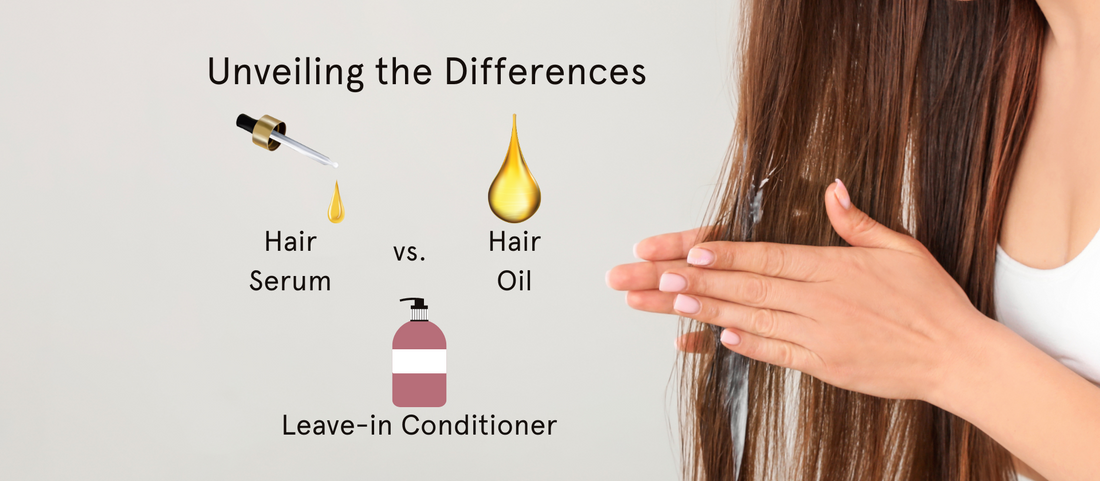
Hair serum creates a thin layer on the hair surface. It smooths frizz and adds shine instantly. Serums protect hair from heat and pollution. They make hair look sleek and soft without feeling heavy. Serums do not deeply nourish the scalp or roots. They work best for styling and finishing touches. Using serum regularly can reduce split ends and breakage.
Impact Of Oil On Hair
Hair oil penetrates the scalp and hair shaft deeply. It nourishes hair from the roots to the tips. Oil improves hair strength and reduces dryness. It helps control dandruff and scalp irritation. Oils add natural shine and moisture to dry hair. Regular oiling can promote hair growth and reduce hair fall. Oil may feel heavy if used too much or on oily scalp types.
Credit: ellatu.com
Styling And Finish
The way hair looks after styling matters a lot. Hair serum and hair oil give different finishes and effects. Choosing the right product changes your hair’s style and feel. Both help control frizz and add shine but work differently.
Using Serum For Styling
Hair serum smooths hair and controls flyaways. It gives a sleek, shiny finish. Serums work best on dry hair before styling. They protect hair from heat damage caused by tools. Serums make hair look polished without feeling heavy. A small amount spreads easily through strands. Serums also help keep hairstyles in place longer.
Using Oil For Styling
Hair oil adds moisture and softness to hair. It creates a natural, glossy shine. Oils work well on damp hair before drying or air drying. They help reduce frizz but can feel heavier than serums. Oils also nourish hair while styling. Use a small amount to avoid greasiness. Oils give a smooth finish with a healthy look.
Potential Drawbacks
Both hair serum and hair oil offer benefits, but they also have some drawbacks. Knowing these can help you choose the right product for your hair type and needs. Each has limits that might affect your hair or scalp.
Cons Of Hair Serum
Hair serum can make hair greasy if used too much. It may weigh down fine or thin hair, causing it to look flat. Some serums contain silicone, which can build up on the hair over time. This buildup can make hair look dull and lifeless. Serums often have chemicals that might irritate sensitive scalps. They usually do not provide deep nourishment or repair damaged hair.
Cons Of Hair Oil
Hair oil can be heavy and hard to wash out. It may leave hair feeling sticky or oily if applied excessively. Some oils can clog pores on the scalp and cause irritation. Oily hair types might find oils make their hair look greasy quickly. Oils take longer to dry, which can be inconvenient for daily use. Overuse of oil can lead to scalp buildup and dandruff.

Credit: www.afamconcept.com
Price And Availability
Price and availability are important factors when choosing between hair serum and hair oil. Both products serve different purposes and come in various price ranges. Understanding their cost and where to buy them helps in making the right choice. This section breaks down the cost difference and the places you can find these hair care products.
Cost Comparison
Hair serums usually cost more than hair oils. Serums contain special ingredients and advanced formulas. This raises their price. Hair oils often use natural oils and simple blends. They tend to be cheaper and more affordable. The price also depends on the brand and the size of the bottle. Small bottles of serum can cost as much as large bottles of oil.
Where To Buy
Both hair serums and oils are widely available. Drugstores and supermarkets stock many options. Online shops offer a bigger variety. Some brands sell only through their websites. Salons and beauty stores often carry high-end serums. Local markets and health stores usually have natural oils. Availability depends on your location and brand preference.
Frequently Asked Questions
What Are The Main Differences Between Hair Serum And Hair Oil?
Hair serum is lightweight and smoothens hair, while hair oil nourishes and strengthens. Serum controls frizz; oil hydrates deeply. Both improve hair texture but serve different purposes.
Can Hair Serum Replace Hair Oil In Hair Care?
No, hair serum cannot fully replace hair oil. Serum offers shine and frizz control; oil provides essential nutrients and deep hydration for scalp health.
Which Is Better For Dry Hair: Hair Serum Or Hair Oil?
Hair oil is better for dry hair as it deeply moisturizes and repairs damage. Serum mainly adds shine and smoothness but lacks intense hydration.
How Often Should I Use Hair Serum Versus Hair Oil?
Use hair serum daily for frizz control and shine. Apply hair oil 1-2 times weekly for deep nourishment and scalp health.
Conclusion
Choosing between hair serum and hair oil depends on your hair needs. Serums add shine and smoothness quickly. Oils nourish and strengthen hair deeply over time. Both help reduce frizz and protect hair from damage. Think about your hair type and goals before picking one.
Using the right product can improve hair health and appearance. Try both to see which suits you best. Healthy hair care is simple with the right choice. Keep your hair clean and moisturized for best results.